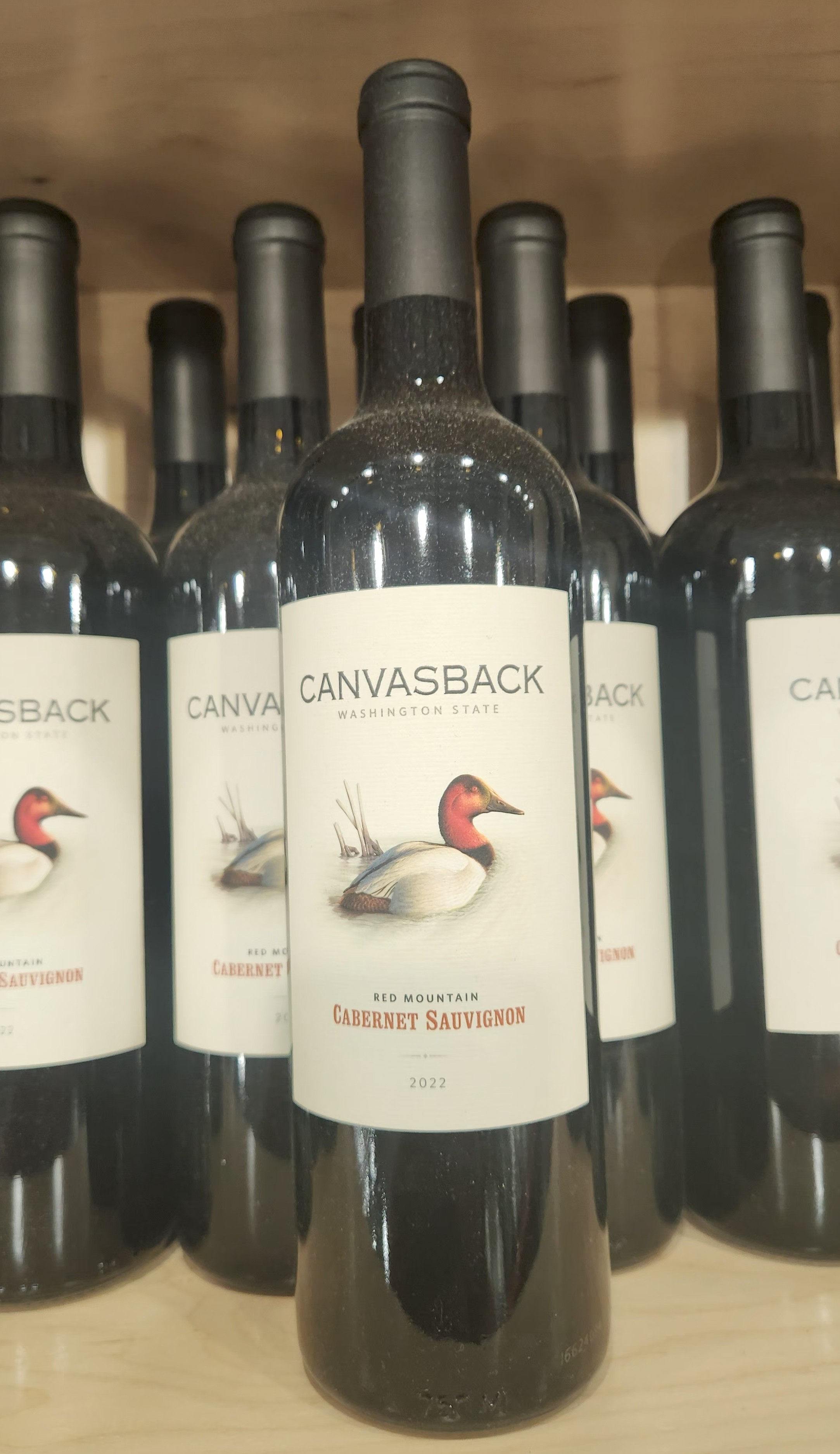
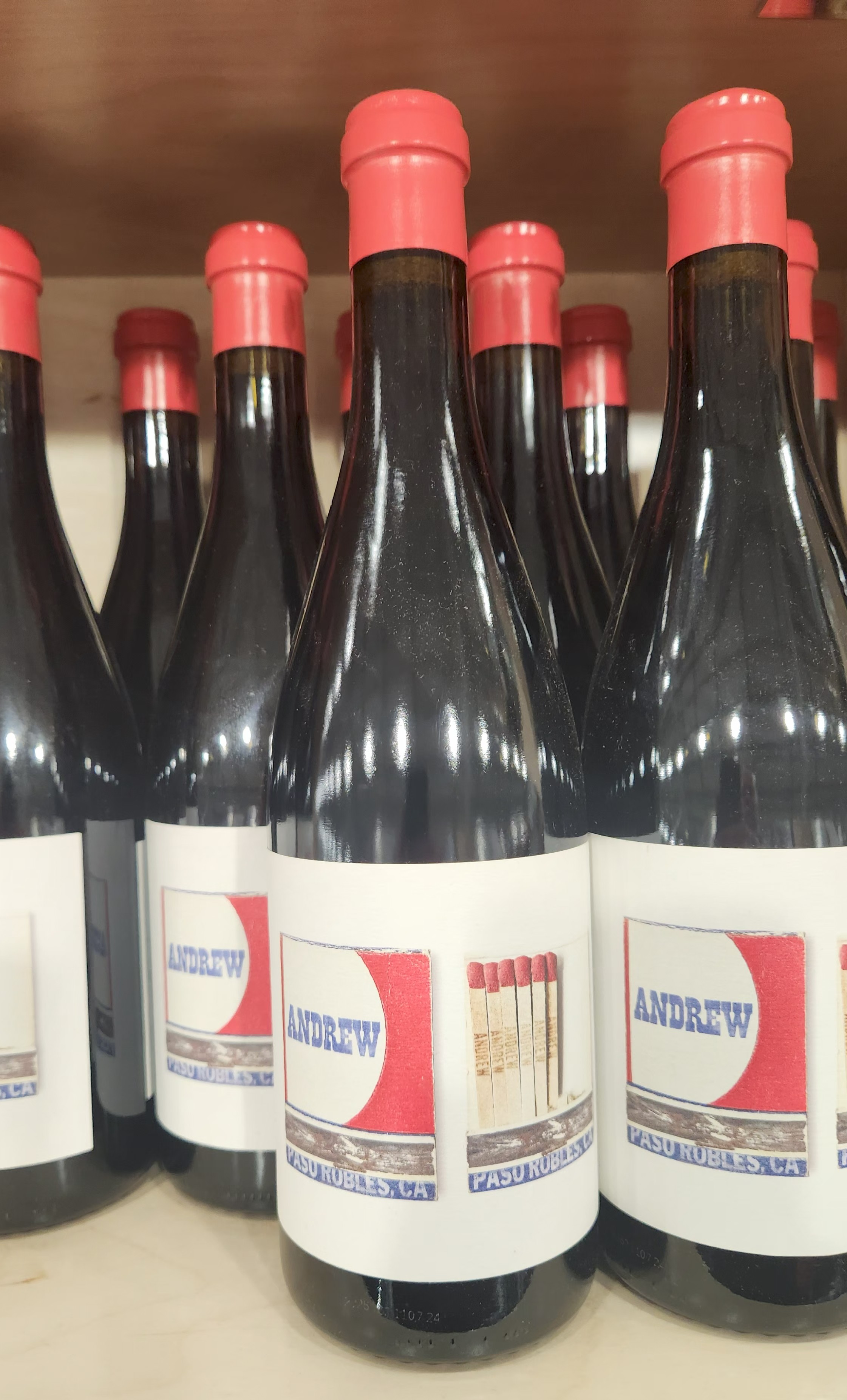
Wine pricing often feels arbitrary, but it isn’t. It’s structural.
Costco operates under a completely different buying model than traditional grocery stores. They limit their wine selection, commit to massive purchase volumes, and negotiate directly with producers. In return, wineries can reduce production costs, streamline logistics, and often allocate higher-quality vineyard lots. Costco then sells that wine at razor-thin margins, using wine as a value driver rather than a profit engine.
Grocery stores, on the other hand, work through distributors, place smaller orders, and carry far more SKUs. Each step—distribution, warehousing, sales representation, slower inventory turnover—adds cost. That’s why a wine like Harvey & Harriet might sit at $44.99 on a grocery shelf, even though it sells for $20.99 at Costco.
When grocery stores discount wine, it’s usually a temporary adjustment to stay competitive or move inventory. Costco’s pricing advantage is permanent, built into their system.
Another detail consumers rarely realize is that same label doesn’t always mean same wine. Large warehouse clubs often receive preferred lots or dedicated blends built to meet strict internal tasting standards. If a wine doesn’t over-deliver for its price, it doesn’t make the shelf.
That doesn’t mean grocery stores don’t offer value. They excel at convenience, curated selections, smaller producers, and personalized service. But when the goal is maximum quality per dollar—especially for everyday drinking or entertaining—Costco’s model consistently wins.
This series exists to help consumers understand when to buy wine at Costco, when to buy at grocery stores, and why the price gap exists in the first place.