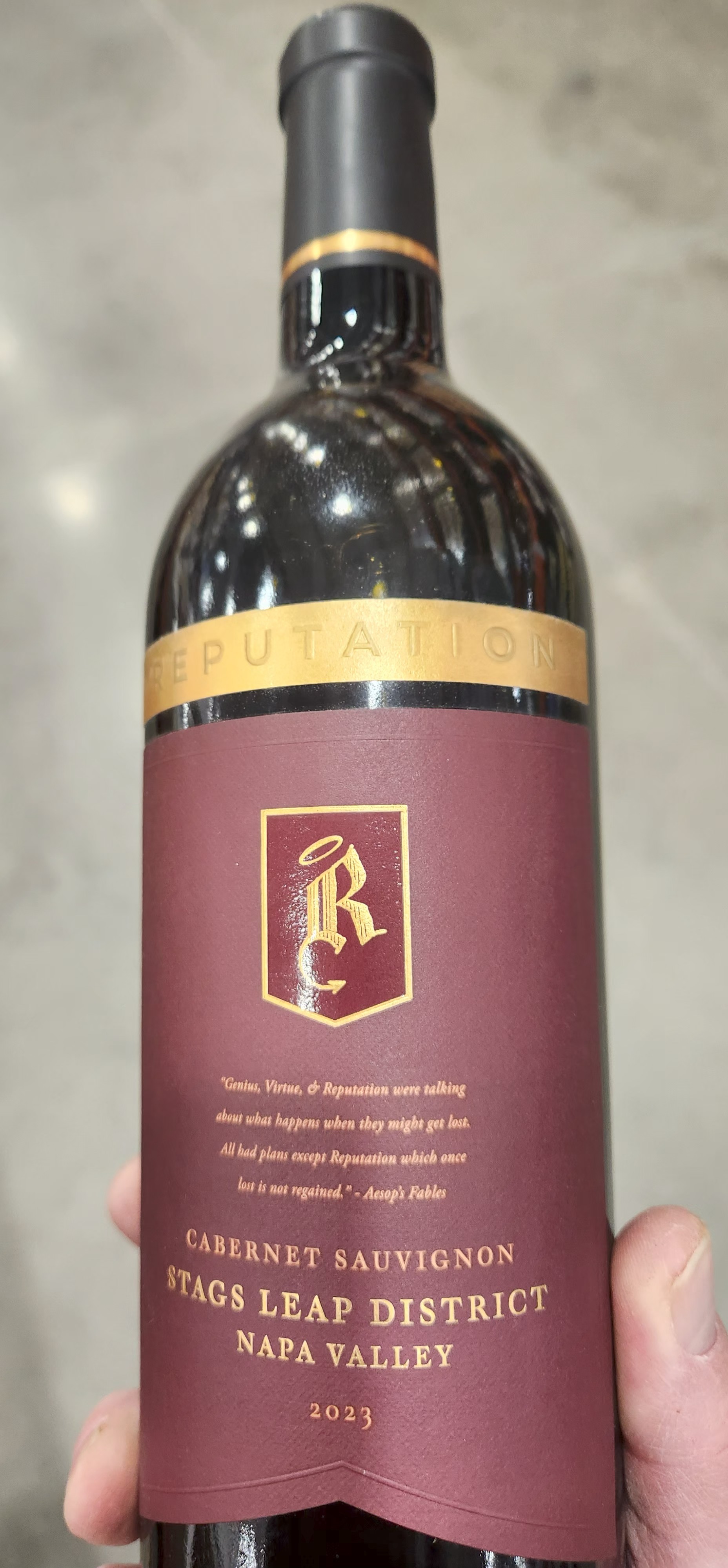


Wine Pairing with Reputation Cabernet Sauvignon: Expert Guide to Napa Value Done Right
Introduction: Stags Leap Isn’t a Practice Field
When you see Stags Leap District, you’re stepping into one of Napa’s most structured Cabernet zones.
Volcanic soils. Gravelly loam. Warm days, cooling fog influence.
This is the same neighborhood that built legends.
So when a bottle from here lands at $19.99, you don’t treat it like a casual pickup game—you treat it like a sleeper team in March Madness. Under-seeded, dangerous, and capable of knocking someone out.
What This Wine Is All About
Region: Stags Leap District, Napa Valley
Vintage: 2023
Score: James Suckling 95 Points
ABV: ~14–14.5% (typical for Napa Cab)
Grape Composition: Predominantly Cabernet Sauvignon (likely small blending percentages of Merlot/Petit Verdot)
Soil: Volcanic + alluvial
Climate: Warm days, cool nights → phenolic ripeness with retained structure
Oak Program: Likely French oak (partial new), short-to-medium aging (10–16 months estimated)
Flavor Profile
- Black cherry
- Blackberry
- Blueberry
- Cassis
- Light cedar
- Vanilla
- Subtle baking spice
The shelf talker nails it:
“Bright red cherry notes blend with deeper blackberries and blueberries… moderate tannins and good acidity.”
That’s your blueprint.
Pairing Science: How to Run the Right Play
1. Tannin vs Protein (This Is the Core Game)
Cabernet = tannin.
Protein = neutralizer.
When they meet:
- Wine softens
- Fruit pops
- Finish lengthens
Without protein? This wine feels tighter, more aggressive.
2. Fat = Amplifier
Fat doesn’t just soften—it enhances fruit perception.
This is why ribeye beats filet in Cabernet pairings every time.
3. Acid Balance
This wine has good acidity (for Napa), but it’s not high-acid Old World.
So:
- Cream sauces = good
- Heavy tomato-only dishes = risky
4. Salt = Cheat Code
Salt reduces bitterness and sharp edges.
You want seasoning here. Don’t go bland.
Best Food Pairings with Reputation Cabernet Sauvignon
1. Ribeye Steak (This Is the Headliner)
This is your championship matchup.
- Fat softens tannin
- Protein stabilizes structure
- Grill char mirrors oak
This wine was built for this moment.
2. Braised Short Ribs
Slow-cooked, collagen-rich meat.
This pairing turns:
Good wine → great wine
Great meal → unforgettable meal
3. Lamb with Rosemary
Herbal + savory + fat.
Rosemary connects with subtle oak spice.
This is classic for a reason.
4. Burger (But Do It Right)
80/20 blend minimum.
Add:
- Aged cheddar
- Bacon
- Light char
Now you’ve got alignment.

5. Mushroom + Steak Combo
Umami meets structure.
Cab can struggle with pure umami—but add protein and fat, and it locks in.
6. Hard Cheeses (Aged Cheddar, Manchego)
Salt + fat + protein.
Simple pairing, elite result.

When This Wine Fails
Let’s not pretend it works everywhere.
Avoid:
- Spicy food (heat amplification)
- Sushi (no structural match)
- Light salads (wine overwhelms)
- Acid-heavy tomato dishes
This wine needs weight on the plate.
Serving Strategy
Temperature: 60–65°F
Decant: 30–60 minutes (this matters here)
Glassware: Large Bordeaux bowl
This is not a pop-and-pour wine if you want full performance.
Aging Potential
3–7 years.
This isn’t built for 20-year cellaring—but it has enough structure to develop short-term complexity.
Consumer Sentiment & Value
A 95-point Napa Cabernet under $20 is going to generate:
- High curiosity
- Strong value perception
- Repeat buys if it delivers
This sits in the “value disruptor” category.
Price Reality Check
$19.99.
In Napa terms, that’s like getting courtside seats for upper-deck pricing.
Is it Screaming Eagle? No.
Is it outperforming price? Absolutely.
Featured Snippet Answer
Reputation Cabernet Sauvignon pairs best with ribeye steak, braised short ribs, lamb, burgers, and aged cheeses because its tannins require protein and fat to create balance and enhance fruit.