

What Earthsong Sauvignon Blanc Actually Is
Let me be direct: if you've been thinking of Sauvignon Blanc as the wine you pair with a salad before you drink something "serious," you've been playing a smaller game than Giles Cooke and the team at Earthsong intended.
This isn't a wine that whispers. It announces itself.
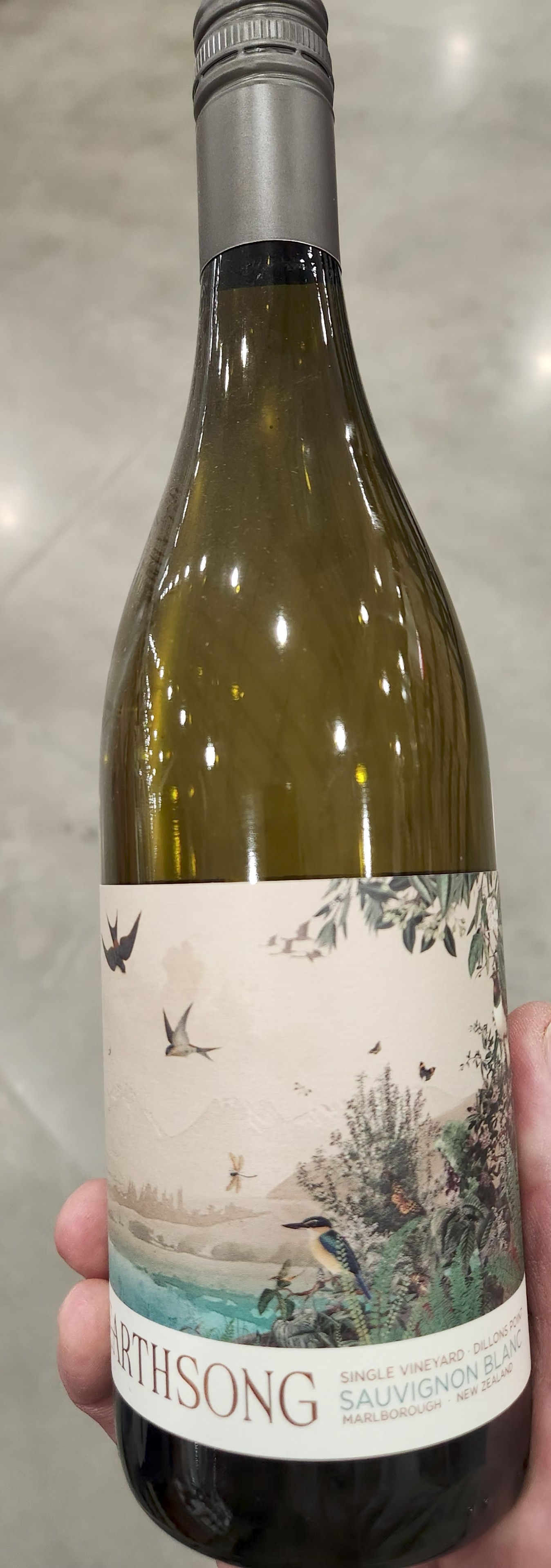
The first time I tasted Earthsong's 2024 Dillon's Point Single Vineyard release—88 points from Wine Enthusiast, and I'd argue it's underrated at that score—I understood why the winemakers behind Thistledown, one of Australia's most respected producers, chose to bring their expertise to a foggy corner of Marlborough. This wine demanded complexity. It demanded respect. And it demanded the kind of food pairing conversation most people aren't having.
Earthsong comes from a single vineyard in the Dillon's Point sub-region of Marlborough, New Zealand. The vineyard is regeneratively farmed, not tilled, with extensive cover crops and sheep run through it over winter to provide nutrients. During the growing season, vines are shoot-thinned to create ideal fruit exposure and ripeness. The proximity to the ocean provides night-time cooling that preserves crisp acidity and that distinctive briny character—the kind of salinity you taste on your tongue like the sea spray itself decided to express itself through fermented grapes.
The wine is intense and tropical with that briny tang. You'll find staggering tropical and citrus fruit—guava, pineapple, blackcurrant—with what critics have described as Chablis-like elegance. The palate is light, crisp, and (mostly) dry, with a blackcurrant finish that lingers like a question you want answered.
At $16.99, this wine sits at an intersection of rarity: it's substantive enough to command serious food, accessible enough that you're not breaking the bank to explore it, and interesting enough that it rewrites the conversation about New Zealand Sauvignon Blanc entirely.
Understanding Marlborough as a Terroir
To understand Earthsong, you need to understand Marlborough's climate and soil.
The region sits in a cool, maritime climate tempered by constant sea breezes. Marlborough experiences bright, chilly winters with temperatures ranging from 10°C to 15°C, followed by long, dry summers between 20°C and 26°C. The diurnal temperature variation—that swing between day and night—is substantial, which extends the growing season and gives grapes time to develop full, expressive varietal character while retaining acidity.
The soil is ancient glacial, deep, free-draining, and stony. In the Dillon's Point sub-region where Earthsong's vineyard sits, that stoniness is key. Stony soils drain quickly, which means vines work harder to find water, which means they concentrate flavors more intensely. The stones themselves retain heat during the day and release it at night, further contributing to that extended ripening window.
This is why Marlborough Sauvignon Blancs taste the way they do: mineral, focused, with that green-edged tropical fruit that seems paradoxical until you taste it. The climate and soil aren't working with you—they're working against you. And the wine is better for it.
The Pairing Science: Why Sauvignon Blanc Fails (And How Earthsong Doesn't)
Here's what most people get wrong about Sauvignon Blanc pairings.
They pair it like it's a delicate white wine. They match it with light, bright foods. They avoid anything with salt, anything with spice, anything with depth. The result? The wine disappears. It becomes background noise.
The pairing science behind Sauvignon Blanc is actually aggressive. The acidity is high—typically 7.5 to 8.5 grams per liter—which means it cuts through fat like a knife through warm butter. The minerality creates a framework that can support, not just complement, substantive dishes. The brininess—that salinity from ocean proximity—doesn't fade when paired with salt; it harmonizes with it, the way two instruments playing the same note reinforce each other rather than canceling out.
And then there's the tannin structure (yes, white wines have tannins). Earthsong's are gentle, but they're present. This means the wine has structure, backbone, grip. It's not looking for delicate food to hide behind. It's looking for partners that match its intensity.
The mistake most people make is thinking Sauvignon Blanc pairs well with foods it complements when it actually excels at foods it contrasts with. Acidity cuts through fat and salt. Minerality grounds spice. That tropical fruit—guava, pineapple, blackcurrant—can bridge the gap between herbaceous elements and cooked, caramelized flavors in ways white wines typically can't.
This is where unconventional pairings stop being unconventional and start being obvious.
Unconventional Pairing #1: Thai Green Curry with Coconut and Charred Shrimp
Let me give you the pairing that changed how I think about this wine.
Thai green curry is traditionally paired with beer or, if you're being wine-conscious, something like Riesling with residual sugar to balance the heat. The logic is sound: you need sweetness to temper the chile. Except that logic doesn't account for how acidity actually works against spice.
Capsaicin—the compound that makes chiles hot—is fat-soluble, which means the fat in a coconut-based curry makes the heat feel more intense, not less. But acidity? Acidity is water-soluble. It cuts through that fat without engaging the capsaicin directly, and in doing so, it actually reduces the perceived heat on your palate. You taste the complexity of the spice—the aromatics, the depth, the layering—without the burn overwhelming you.
Now add Earthsong's profile into this equation.
The wine's acidity cuts through the coconut cream. The minerality grounds the intensity of the green curry paste (which is typically made with green chiles, garlic, lemongrass, and galangal). But here's the unlock: the tropical fruit notes in the wine—that guava, that pineapple—create an unexpected harmony with the lemongrass and the fresh Thai basil typically finished over the curry. It's not a pairing that announces itself. It sneaks up on you between the second and third bite, when you realize the wine isn't fighting the food or hiding behind it. It's dancing with it.
The charred shrimp adds another dimension. The char creates caramelized sugars on the outside of the shrimp, and those caramelized notes want complexity. They want minerality. They want the briny character that says "I came from the ocean just like you did." The shrimp's sweetness also echoes the tropical fruit in the wine, creating a throughline that would seem absurd on paper but feels inevitable in practice.
This pairing works because it breaks the rule about sweetness balancing heat and replaces it with the rule about acidity cutting through fat and intensity. It's a reminder that rules exist to be understood, not followed blindly.
Unconventional Pairing #2: Smoked Halibut with Miso Butter and Charred Brassicas
Now here's a pairing that, on paper, sounds like a violation.
Smoked fish is supposed to be paired with Chardonnay or Riesling—wines with body, wines with sweetness, wines that can stand up to the intensity. Sauvignon Blanc? The logic says it will disappear.
Except that logic doesn't account for the specific intensity of Earthsong.
Halibut that's been smoked has two things working against it: the smoke itself (which creates bold, almost ashy flavors) and the miso butter (which adds umami, depth, and fermented complexity). Both of these elements would typically overwhelm a lighter white wine. But Earthsong's minerality—that stony, glacial character—doesn't just stand up to these elements. It frames them.
The briny character in the wine mirrors the umami in the miso. Both are savory, both are deep, both come from fermentation. They don't compete; they resonate. The tropical fruit—particularly the blackcurrant notes—provides a counterpoint to the smoke, preventing the pairing from becoming one-dimensional. And the acidity? It cuts through the richness of the butter while simultaneously enhancing the sweetness of the charred brassicas (think charred broccoli or roasted Brussels sprouts, their edges caramelized dark brown).
What you get is a pairing that feels sophisticated without being precious. The wine doesn't disappear. The food doesn't overwhelm. Instead, you get clarity: you taste the halibut's delicate flesh, the smoke's intensity, the miso butter's depth, the char's sweetness, and the wine's minerality all in conversation with each other.
This is where understanding the science becomes permission to break the rules that shouldn't have existed in the first place.
Unconventional Pairing #3: Sichuan Pepper Beef Jerky with Fermented Black Garlic
This one is pure subversion.
Sichuan peppercorns create a sensation that's less heat and more numbing—a tingling, almost electric quality on your lips and tongue. Fermented black garlic is umami on steroids, deep and almost bittersweet. Together, they create an intensity that most wines would struggle with.
But this is where Earthsong stops being just a Sauvignon Blanc and starts being a statement.
The Sichuan pepper creates that numbing sensation, which paradoxically becomes a textural element that the wine's acidity can play against. The minerality in the wine grounds that electric sensation. The blackcurrant notes in the wine echo the fermented, almost chocolate-like notes in the black garlic, creating a flavor bridge that shouldn't work but does.
The jerky—lean beef, chewy texture—adds another layer. The lean meat is naturally slightly dry, and the acidity in the wine cuts through that dryness, making the meat feel juicier on your palate. The briny character in the wine also highlights the salt that's typically used to cure beef jerky, not in a way that creates salt overload, but in a way that creates harmony, like two voices singing the same note at slightly different octaves.
This pairing works because it embraces the intensity of Earthsong rather than shying away from it. It says: this wine is not timid. Let's find food equally unafraid to be itself.
The Science of Why These Pairings Work (And When They Fail)
Let me break down the mechanics so you can apply this thinking beyond these three pairings.
Acidity as a cutting agent: The high acidity in Earthsong (around 7.8-8.2 grams per liter, based on comparable Marlborough Sauvignon Blancs) cuts through fat without engaging capsaicin in chiles. This means:
- Spicy + fatty foods become palate-cleansing experiences rather than overwhelming ones
- The wine tastes fresher, not hotter, as you progress through the meal
Minerality as a grounding element: The stony, glacial terroir creates a mineral framework that prevents lighter white wines from disappearing:
- Umami-heavy dishes (miso, fermented elements, cured meats) resonate with the wine's minerality
- Smoke and char find a neutral ground in the wine's mineral profile
- The wine becomes a presence rather than an accompaniment
Tropical fruit as a bridge: The guava, pineapple, and blackcurrant notes serve as intermediaries:
- They echo Asian aromatics (lemongrass, Thai basil) without being those flavors
- They counterbalance smoke and fermentation with brightness
- They provide sweetness perception without actual residual sugar
Brininess as a connector: The ocean-influenced salinity in Earthsong creates:
- Harmony with salty elements rather than competition
- A sense of origin that matches seafood dishes
- An earthiness that grounds even the most unconventional pairings
Where these pairings fail is when you forget the structure underneath. Pair this wine with something too delicate, and you've wasted the wine's intensity. Pair it with something that demands sweetness without offering any other dimension for the wine to play off, and the wine becomes frustrated, struggling to find its footing. Pair it with something that's pure salt and spice without any counterbalancing elements, and you've created a one-note experience.
The pairing science is about understanding what the wine brings to the table and finding food that gives it something substantial to do.
Serving, Decanting, and Temperature
Earthsong wants to be served cold—not frigid, but genuinely cold. Around 45°F (7°C) is ideal. This is slightly colder than many white wines, but the added chill brings out the minerality and keeps the tropical fruit from becoming too forward. At warmer temperatures, the wine can feel a bit loose, the acidity less defined.
You don't need to decant this wine. It's a white wine, and it's young. Decanting is for structure and oxidation, neither of which this wine needs at release. That said, if you open it and find it a bit tightly wound (which you shouldn't, but occasionally wines are having an off day), letting it sit in a glass for 10 minutes won't hurt.
The glass matters. You want something with a bowl that narrows slightly at the top—a classic white wine glass, not a broad, shallow bowl. The narrowed top concentrates the aromatics, and with a wine this aromatic, that's working in your favor.
Price vs. Value: The Earthsong Argument
At $16.99, Earthsong represents an almost unfair value proposition.
The 2024 vintage scored 88 points from Wine Enthusiast at a retail price of $25. That gap between your cost and the critical benchmark is significant. You're getting a wine that professional critics rated as well-made, expressive, and worth attention at a price that suggests someone, somewhere in the distribution chain decided this wine needed to find its audience rather than be positioned as a luxury item.
Compare this to other Sauvignon Blancs at the same price point. You'll find plenty of options—most of them are fine. Some are very good. But few have the producer pedigree (Thistledown's Giles Cooke is a Master of Wine, not a casual winemaker), the terroir story (regenerative farming, ocean-influenced, single-vineyard), or the critical validation.
The wine was selected as Wine of the Week NZ in July 2025. That's not a score you buy your way into. That's a selection based on merit, expression, and what the wine brings to the conversation.
If you're going to explore unconventional pairings, you need a wine that won't punish you for experimentation. Earthsong is that wine. It's confident enough to handle bold food, structured enough to reward serious attention, and priced accessibly enough that you can afford to learn from it.
When NOT to Pair Earthsong
This matters as much as knowing what to pair it with.
Don't pair this wine with delicate white fish prepared simply—poached sole, steamed halibut with just butter and lemon. The wine will overwhelm the fish. You need cooking techniques that create depth: smoking, charring, crusting, pan-searing with enough aggression that the fish develops a caramelized exterior.
Don't pair it with dishes that demand sweetness as their primary note. Heavy cream sauces with sugar, sweet glazes, dishes built on fruit reductions—these need wines with residual sugar or body that Earthsong doesn't have. The wine will taste dry, and the food will taste flat.
Don't pair it with dishes that are purely bitter. Radicchio, bitter greens, unbalanced fermented elements—the wine's acidity will amplify the bitterness rather than balance it.
Don't pair it with something that's been sitting out or is lukewarm. Temperature matters more with this wine than with others. If the food is cold or room temperature, the wine will taste thin. It needs to be tasting food that's still hot, still steaming, still releasing aromatics.
And perhaps most importantly: don't assume that because you've seen Sauvignon Blanc paired with something traditional that you can't explore further. The wine will tell you what it wants. Listen.
Aging Potential and Future Expression
The 2025 vintage hasn't been rated yet by the major critics. But based on the 2024's trajectory and Earthsong's structure, this wine is ready to drink now and will remain interesting for 3-5 years.
In a year, the wine will have softened slightly. The tropical fruit will develop more complexity. The briny character will feel more integrated. In two years, you'll start seeing more depth emerge—secondary flavors, a more mineral-forward expression. By year four or five, the wine will have evolved into something more restrained, more serious, less about exuberance and more about precision.
If you're buying multiple bottles, drink one now to understand the wine's youth. Hold a few for the next couple of years. This wine rewards patience, and the evolution is worth following.
But don't hold this wine for a decade hoping it will become something else. This is a wine that drinks best in its first 5 years of release. After that, it's not declining—it's just becoming a different wine, one that requires more investment to appreciate.