Wine Pairing with Albariño: The Insider’s Guide to What to Eat—and Why You Rarely See It on Wine Lists
Introduction: The Bottle That Ruins Wine Lists Forever
Here’s the thing.
Once you’ve had a real Albariño—from the Atlantic edge of Spain, pulled from granite soils with salt in the air—you don’t look at wine lists the same way again.
It’s like skiing fresh powder for the first time. After that, groomed runs feel… fine. But you know better now.
And that’s the problem.
Because most restaurant wine lists?
They’re not built for discovery.
They’re built for survival.
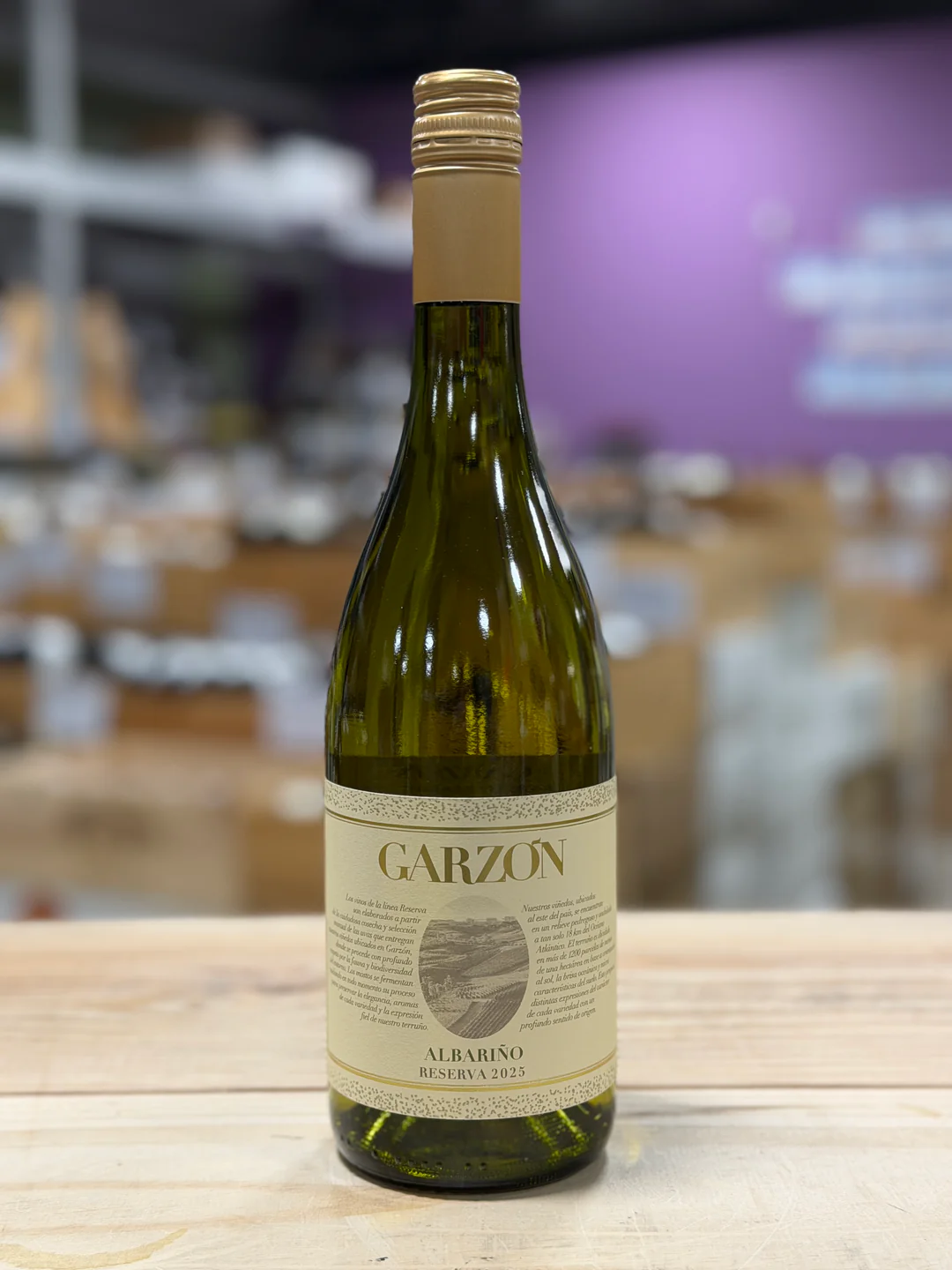
What Albariño Is All About
Region: Rías Baixas, Spain
Primary Grape: Albariño (100%)
Climate: Maritime Atlantic (cool, wet, high humidity)
Soils: Granite, sand, alluvial
Alcohol: Typically 11.5%–13%
Style: High acid, saline, citrus-driven white
Top producers worth knowing:
- Bodegas Martín Códax
- Pazo de Señorans
- Bodegas Fillaboa
Typical Profile
- Meyer lemon
- Lime zest
- White peach
- Salinity (that ocean spray edge)
- High natural acidity
- Light to medium body
This is a coastal wine. It behaves like one.
Think of it as a midfielder in soccer—high energy, always moving, controlling pace, never heavy but always impactful.
Why You Rarely See Great Albariño on Wine Lists
The Waterfall Effect (Industry Reality)
Restaurants don’t build wine lists for you. They build them for:
- Inventory turnover
- Distributor relationships
- Risk management
The “Big Four” brands dominate because:
- They move fast
- They’re recognized
- They’re safe
Albariño from small producers?
That’s a gamble.
Wine Is Perishable Inventory
Once opened, white wine has:
- 2–3 days peak life
- Rapid aromatic decline
- Financial risk if unsold
So restaurants choose wines that:
- Sell without explanation
- Require no education
- Turn quickly
Your hidden gem?
It doesn’t fit the system.
Pairing Science: Why Albariño Is Elite at the Table
This is where Albariño separates itself.
1. Acid vs Fat
High acidity cuts through fat like a hot knife.
Pair it with:
- Olive oil
- Butter
- Fried foods
Result: freshness + balance
2. Salt Amplification
Salt enhances fruit perception.
Albariño + salty food = explosive flavor lift
This is why coastal cuisines dominate its pairing profile.
3. Protein Interaction
Unlike tannic reds, Albariño doesn’t rely on protein binding.
Instead, it:
- Cleanses the palate
- Resets between bites
4. Spice Handling
Moderate alcohol = less heat amplification.
Albariño can handle:
- Mild spice
- Garlic-heavy dishes
- Citrus-forward cuisines
When It Fails
- Heavy cream sauces (too delicate)
- Big red meat (overpowered)
- Sweet dishes (acid clash)
Best Food Pairings with Albariño
1. Grilled Octopus (Pulpo a la Gallega)
The classic.
Salt + olive oil + char = perfect alignment.
The wine mirrors the ocean and lifts the dish.
2. Oysters on the Half Shell
This is the Super Bowl pairing.
Salinity meets salinity.
You’re not pairing food and wine—you’re pairing environment.

3. Garlic Shrimp (Gambas al Ajillo)
Oil, garlic, heat.
Albariño slices through richness and refreshes the palate.
4. Sushi and Sashimi
Cleaner than most whites.
Acidity balances raw fish texture without overwhelming it.

5. Lemon Herb Roast Chicken
Bridge pairing:
- Citrus ↔ acidity
- Herbs ↔ aromatics
- Skin fat ↔ balance
6. Fish Tacos with Lime
Street food meets precision.
Acid + lime + salt = synergy.
Professional Wine Example (Benchmark)
Pazo de Señorans Albariño 2022
- Score: 92 pts Wine Spectator
- ABV: 12.5%
- Aging: Stainless steel, lees contact
- Price: ~$22
Tasting Notes:
- Citrus oil
- Stone fruit
- Saline minerality
Why it works:
Lees aging adds texture, making it more versatile with food.
Serving Guidance
- Temperature: 45–50°F
- Glassware: White Burgundy bowl (aroma expression)
- Decanting: Not required
Aging Potential
- Drink young (1–3 years)
- Premium examples can age 5–7 years
Price Reality Check
$15–$30 range dominates.
And here’s the truth:
You’ll often drink better Albariño at home than in restaurants.
Because the system isn’t built for it.
Albariño pairs best with seafood, oysters, garlic shrimp, sushi, and citrus-based dishes because its high acidity and saline character enhance freshness and balance fat and salt.