

Wine Pairing with Nash Cabernet Sauvignon: The Expert Guide
What This Wine Actually Is
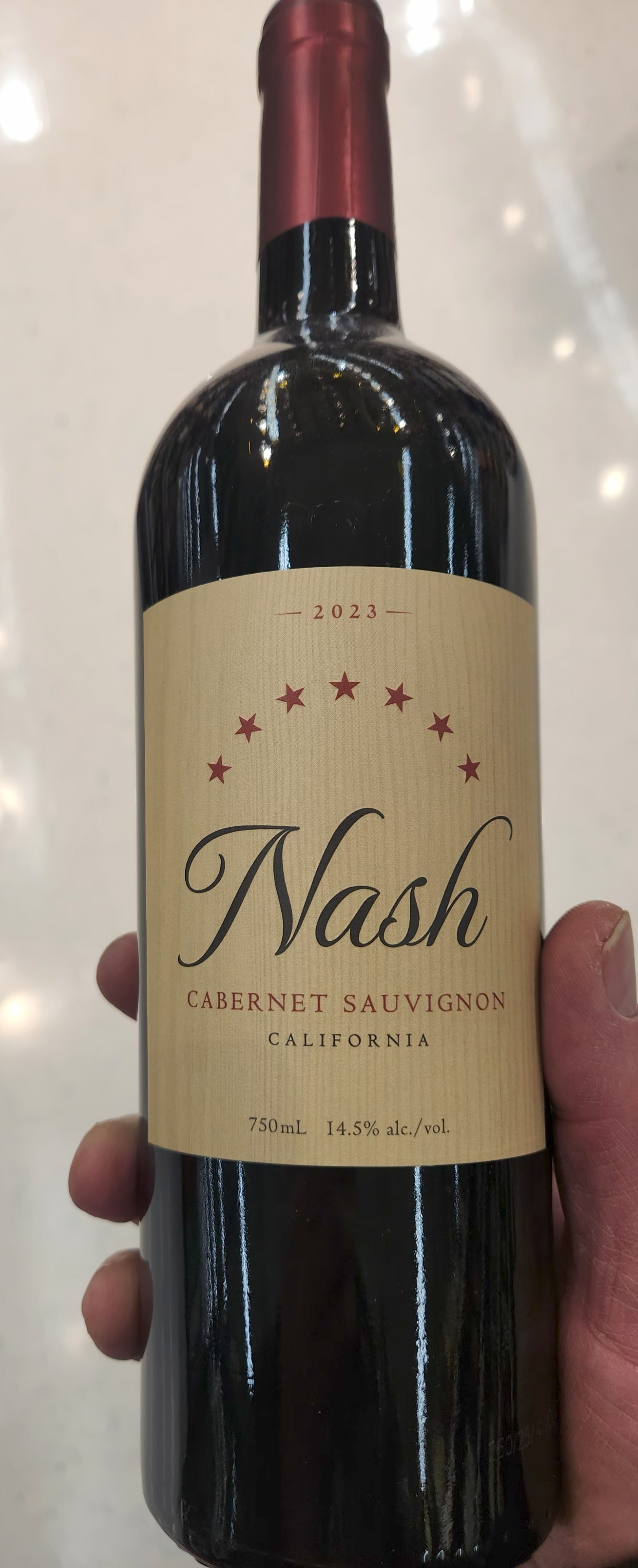
Wine: Nash Cabernet Sauvignon 2023
Region: California (multi-region sourcing)
ABV: 14.5% (on label)
Price: $10.99 (or $9.89 w/ volume)
Style: Bold, fruit-forward, commercial California Cabernet
Producer Type: Likely large-scale California bottler using blended fruit lots
Oak Program: Short-term oak influence (likely staves or chips), not extended barrel aging
Grape Composition
Primarily Cabernet Sauvignon with potential small blending components (common at this tier):
- Cabernet Sauvignon (dominant)
- Possible Syrah / Petit Verdot / Merlot blending for softness and color
Climate + Sourcing
Warm climate fruit (Central Valley / Lodi influence likely)
Translation:
- Ripe fruit
- Lower natural acidity
- Softer structure than premium Cab
What It’s “All About”
This is not terroir-driven Cabernet.
This is impact-driven Cabernet.
In the glass:
- Black cherry
- Cassis-lite
- Plum
- Vanilla
- Cocoa
- Slight oak char
Structure:
- Medium+ body
- Moderate tannins (not aggressive)
- Medium acidity
- Elevated alcohol (14.5% gives warmth)
Think of it like a power running game—not finesse, not surgical, just move forward and wear the defense down.
Critical & Market Positioning
Let’s be honest—this wine is not sitting on a Decanter Top 100 list.
No major critic scores typically apply at this tier.
But here’s what matters:
Consumer Sentiment (Comparable Wines):
- Vivino equivalent range: 3.3 – 3.6
- Keywords: “smooth,” “good value,” “easy Cab”
Price Reality Check
At $10.99—and even better at $9.89 bulk pricing—this wine is competing in:
- Weeknight dinner category
- Value-driven consumer decisions
- High-volume drinkability
And in that category?
Execution beats pedigree every time.
Pairing Science: Where This Wine Wins (or Loses)
1. Tannin vs Protein
Cabernet = tannin.
Even softer Cab like this still needs protein.
Protein:
- Softens tannin
- Adds perceived richness
Without protein?
Wine feels:
- Hot
- Slightly hollow
- Out of balance
2. Alcohol vs Spice
14.5% ABV is a key factor.
High alcohol:
- Amplifies spice
- Creates heat perception
So:
- Mild spice = OK
- Heavy spice = disaster
3. Acid vs Fat
Moderate acidity here.
Fat is your friend:
- Burgers
- Cheese
- Braised meats
Fat brings the wine to life.
4. Salt Effect
Salt:
- Enhances fruit
- Suppresses bitterness
This is where cheap Cab becomes good Cab.
When It Fails
This wine gets exposed when:
- Food is too lean
- Food is too acidic
- Food is too spicy
That’s when the alcohol sticks out and structure collapses.
Best Food Pairings with Nash Cabernet Sauvignon
Now we call plays.
1. Grilled Ribeye (Winner – MVP Pairing)
Fat + protein + char = perfect alignment
The wine:
- Cuts through fat
- Echoes char with oak notes
This is your Super Bowl pairing.
2. Cheeseburger (80/20 Blend)
Let’s not overcomplicate it.
- Fat = balance
- Salt = fruit pop
- Cheese = texture harmony
This is where the wine overdelivers.
3. BBQ Ribs
Sweet + smoky + fatty
Cabernet fruit handles BBQ sauce beautifully at this level.

4. Beef Chili
Add depth:
- Cumin
- Cocoa
- Smoked paprika
The wine plays right in that sandbox.
5. Meat Lover’s Pizza
This is sneaky good.
- Fat + salt + protein = alignment
- Tomato works because it’s buffered
6. Roast Lamb (Herb-Driven)
Rosemary + garlic = bridge flavors
Elevates perceived complexity.

7. Aged Cheddar or Gouda
Simple, clean, effective.
Salt + fat + protein = full system activation.
When NOT to Pair
Avoid:
- Sushi
- Spicy Thai / Indian heat
- Vinegar-heavy dishes
- Light seafood
Wrong matchup = turnover.
Serving Strategy
Temperature
60–65°F
Too warm = alcohol spike
Too cold = muted fruit
Decanting
30–45 minutes helps
This wine benefits from air:
- Softens alcohol perception
- Opens fruit
Glassware
Bordeaux-style bowl
Needs space to breathe.
Aging Potential
Drink now.
This is a 1–4 year window wine.
No upside to holding.
Featured Snippet Answer
Nash Cabernet Sauvignon pairs best with ribeye steak, burgers, BBQ ribs, chili, and aged cheese because its moderate tannins and higher alcohol require fat, protein, and salt to create balance.