

Beer Pairing with Zing
The Beer
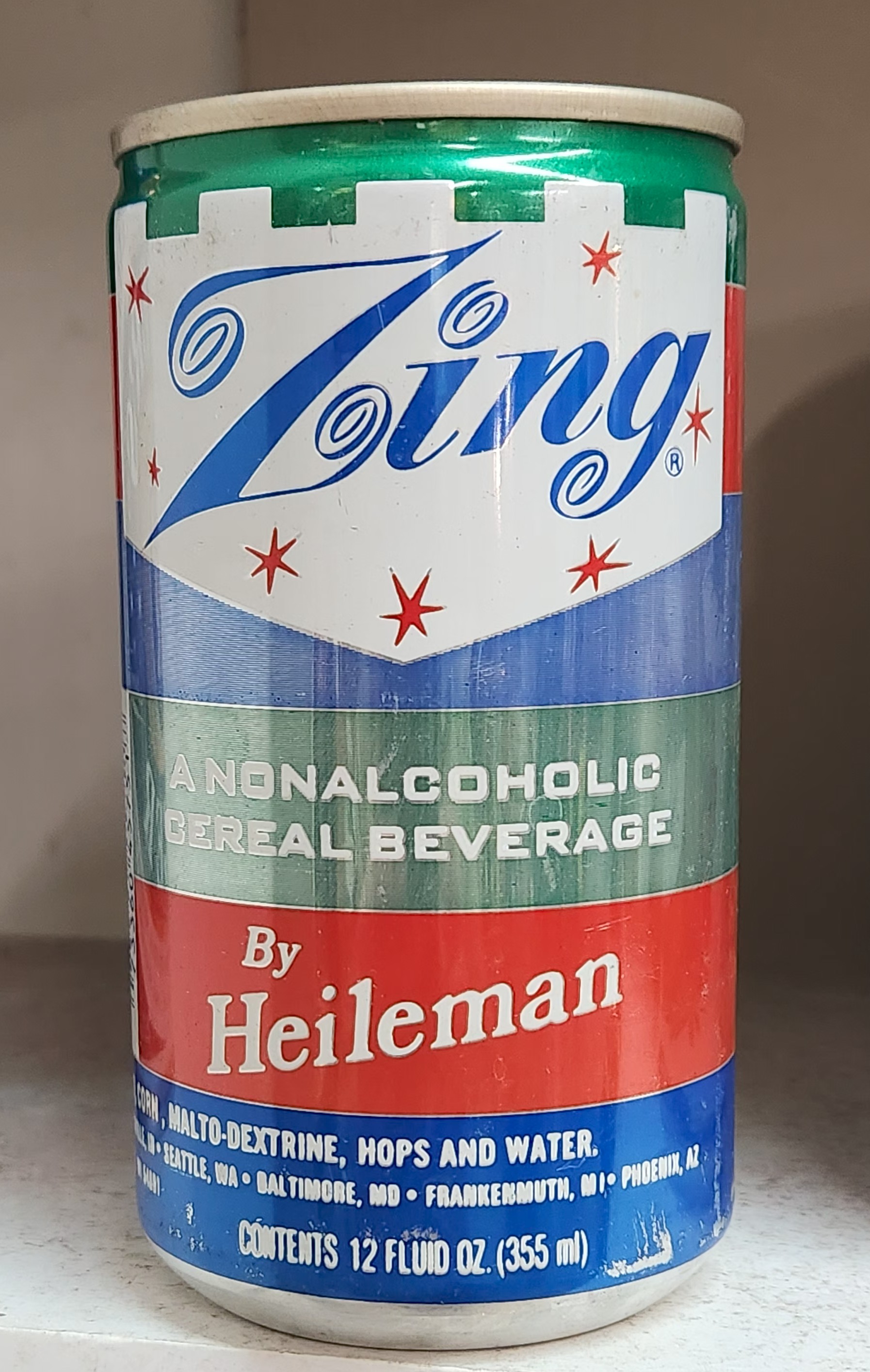
Brewery: G. Heileman Brewing Company
Founded: 1858
Location: La Crosse, Wisconsin
Production Locations Listed on Can:
Seattle, WA
Baltimore, MD
Frankenmuth, MI
Phoenix, AZ
Style: Non-Alcoholic Lager / Cereal Beverage
Estimated ABV: <0.5%
Estimated IBU: 5–10
Fermentation: Lager yeast (limited fermentation)
Ingredients Listed
Corn
Maltodextrin
Hops
Water
Brewery History
If you’ve never heard of Heileman Brewing, that doesn’t mean it wasn’t important.
In fact, at one point it was the fourth-largest brewing company in the United States.
Founded in 1858, Heileman built its reputation on traditional American lagers and regional brands. Their most famous label was Old Style Beer, still known today throughout the Midwest.
During the 1970s and 1980s Heileman expanded aggressively, purchasing breweries across the country.
That’s why Zing cans list multiple production facilities including:
Seattle
Baltimore
Frankenmuth
For West Michigan beer lovers, that Frankenmuth connection matters. Before the craft boom transformed the state, breweries like Heileman supplied the majority of beer across the Midwest.
Zing was one of their experiments in a category that was decades ahead of its time.
What Is a “Cereal Beverage”?
The term sounds strange today, but historically it had a legal purpose.
During Prohibition, breweries were banned from producing traditional beer. However, beverages made from grain with extremely low alcohol were still permitted.
These drinks became known as cereal beverages.
After Prohibition ended in 1933, the name stuck around for certain low-alcohol or alcohol-free malt drinks.
Zing belonged to that family.
Instead of relying on fermentation to create body and texture, brewers used maltodextrin, a carbohydrate that mimics the mouthfeel of alcohol.
The result was a beverage that resembled beer but remained legally non-alcoholic.
Think of it as beer’s quiet cousin.
Flavor Profile
Because Zing predates modern craft beer scoring platforms, there are no official tasting scores from BeerAdvocate or RateBeer.
But based on ingredients and brewing structure we can reconstruct its likely sensory profile.
Aroma
Light grain
Corn sweetness
Very faint hop presence
Flavor
Subtle malt sweetness
Corn-like cereal character
Extremely low bitterness
Mouthfeel
Light body
High carbonation
Crisp finish
Translated into everyday language:
Imagine lightly carbonated toasted cornflakes.
Simple.
But refreshing.
Beer Pairing Science
Food pairing isn’t about alcohol strength.
It’s about structure.
When pairing beer with food, three major factors matter most.
Carbonation vs Fat
Carbonation acts like a palate reset.
Every sip scrubs away grease and oil, preparing your mouth for the next bite.
That’s why lagers pair so well with fried foods.
Bitterness vs Sweetness
Hop bitterness balances sweetness in sauces and glazes.
Too much bitterness, however, can clash with delicate foods.
Low-bitterness beers like Zing let the dish stay in control.
Malt vs Salt
Salt amplifies malt sweetness.
Think pretzels and beer.
Popcorn and beer.
Fried fish and beer.
The grain notes mirror the breading on fried foods.
Best Food Pairings with Zing
Fried Chicken
The carbonation cuts through the oil while the mild grain sweetness echoes the breading.
This pairing works the same way Champagne works with fried food.
Bubbles and fat are a perfect match.
Bar Burgers
Zing’s light sweetness complements the caramelized crust of grilled beef.
The low bitterness prevents the beer from clashing with ketchup or pickles.
Fish and Chips
Classic British pairing logic applies here.
Light lagers mirror the batter while carbonation refreshes the palate.
Pizza
Pizza loves lager.
Tomato acidity, melted cheese, and bread dough all find balance with crisp carbonation.
Pretzels and Beer Cheese
Salt meets malt sweetness in one of the oldest beer pairings in history.
Fried Perch (West Michigan Favorite)
Anyone who has eaten along Lake Michigan knows the magic of fried perch.
Light lager keeps the dish from feeling heavy.
Nachos
Salt, fat, and spice all benefit from carbonation.
Low bitterness prevents hop clash with jalapeños.
BBQ Ribs
While many people reach for strong IPAs with barbecue, lighter lagers actually allow the smoke and sauce to shine.
When Beer Pairings Fail
Pairing beer isn’t always successful.
Certain combinations can create flavor conflicts.
Too Much Bitterness
Highly hopped beers can overpower delicate seafood.
Alcohol Heat
Strong beers sometimes overwhelm lighter dishes.
Heavy Body
Thick stouts may clash with crisp fried foods.
This is where a lighter NA lager can actually outperform bigger beers.
Modern NA Beer Comparisons
Zing paved the way for a category that has exploded today.
Athletic Brewing Run Wild IPA
Untappd Rating: ~3.6
Check-ins: 300,000+
Flavor profile includes citrus, pine, and balanced bitterness.
Excellent with spicy wings.
Heineken 0.0
Untappd Rating: ~3.2
Check-ins: 500,000+
Classic European lager flavor without alcohol.
Works beautifully with pizza.
Guinness 0.0
Untappd Rating: ~3.5
Check-ins: 250,000+
Roasted barley and creamy body.
Perfect with burgers.
Compared to those modern examples, Zing would feel extremely simple.
But historically it helped open the door.
Why Zing Disappeared
The early 1990s were brutal for regional breweries.
Industry consolidation reshaped the American beer landscape.
Heileman entered bankruptcy and many of its brands were sold or discontinued.
Today the company itself no longer exists.
Some brands — including Old Style — ended up under Pabst Brewing Company.
Zing quietly disappeared during that transition.
What This Beer Is All About
Zing was never meant to be a superstar.
It was a practical experiment.
A brewery exploring a market decades before it became fashionable.
In today’s language we might call it:
A pioneer.
Not perfect.
But ahead of its time.
Featured Snippet Answer
Zing was a non-alcoholic cereal beverage brewed by the G. Heileman Brewing Company in the late 20th century. It represented one of the early experiments in alcohol-free brewing and helped pave the way for today’s modern NA beer movement.