

The Wine That Changed My Mind About Oregon Pinot
I remember the first time I got a pairing catastrophically wrong.
It was 1997, in Lyon, and I'd just assumed that all Pinot Noir behaved the same way. I paired a delicate, silk-like wine with a dish that demanded a heavier hand—and watched in real time as the wine simply vanished from the table. The acidity was there. The flavor was there. But the presence was gone.
That lesson stayed with me for thirty years.
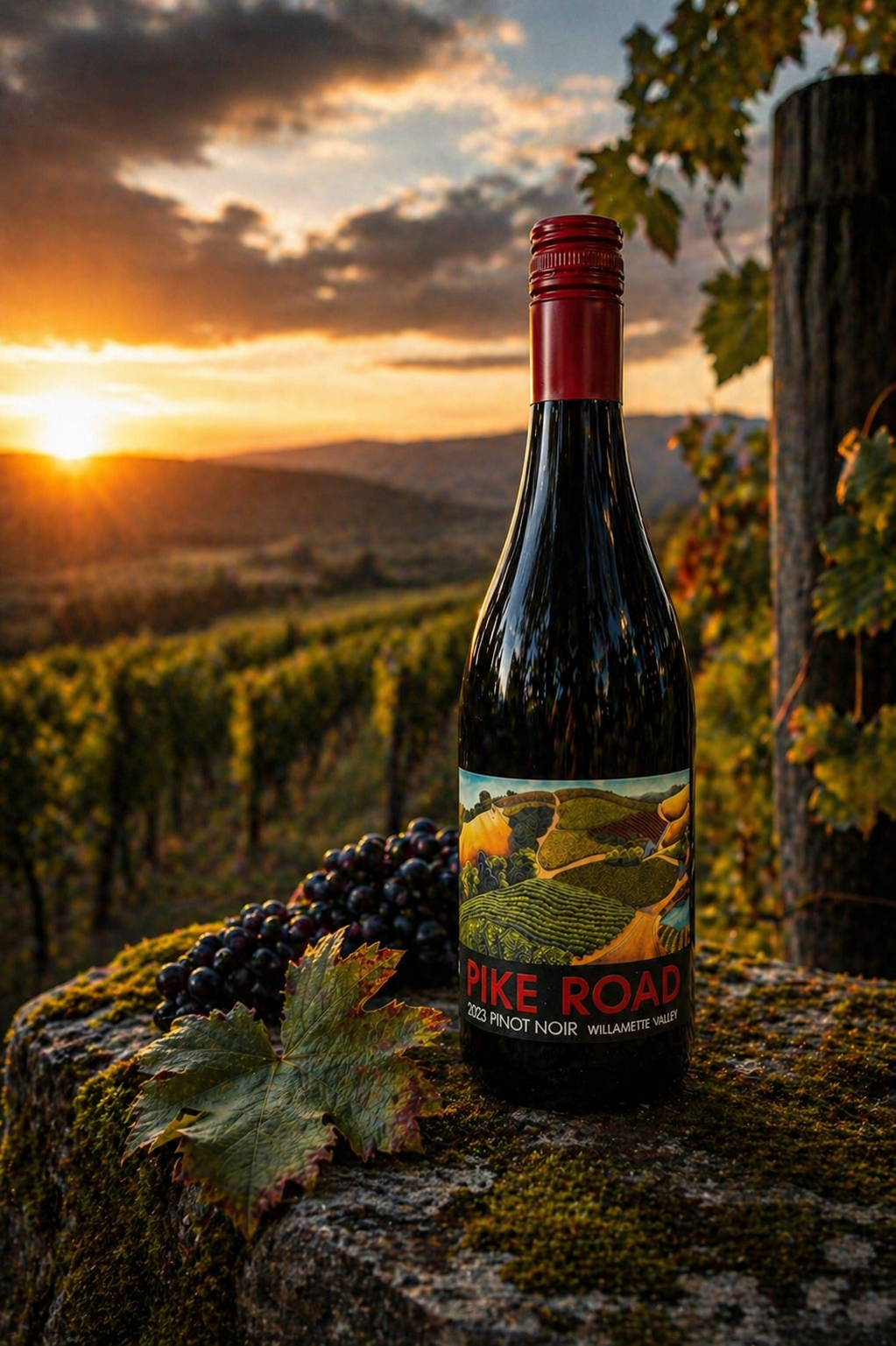
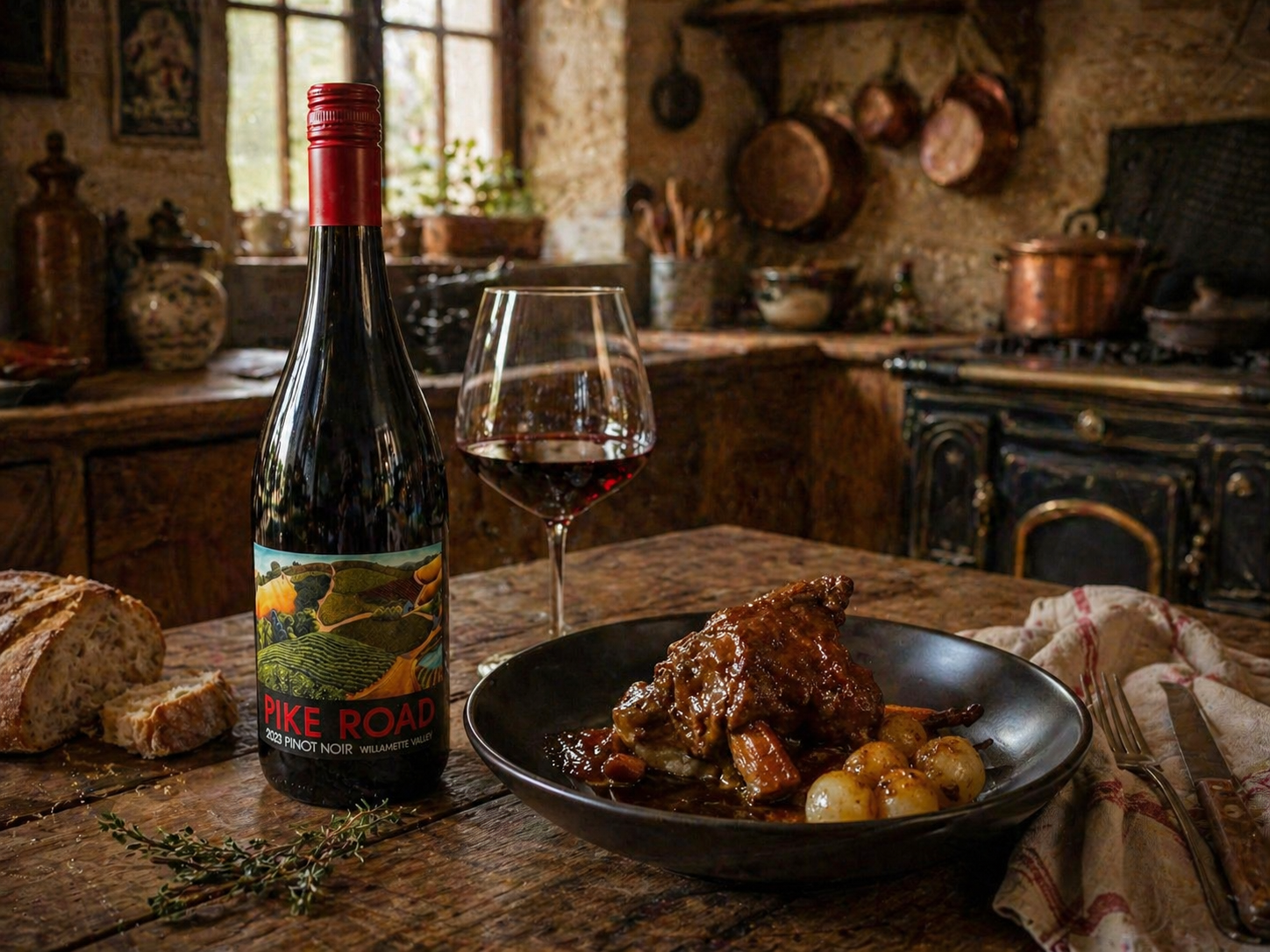
When I first tasted the 2023 Pike Road Pinot Noir from Willamette Valley, I understood exactly why some wines demand your respect and others simply ask for your attention. This is not a wine that announces itself. This is a wine that invites you closer.
What Pike Road Pinot Noir Actually Is
Pike Road comes from Oregon's Willamette Valley, a region that has spent the last four decades proving that American terroir deserves the same reverence we give to Burgundy. The 2023 vintage sits at 13.5% alcohol—a detail that matters more than you might think.
Here's why: Lower alcohol doesn't mean less wine. It means a wine built on precision instead of power. The grapes ripened to full maturity without sugar overload, which means acidity stays bright, tannins stay refined, and the wine's job becomes not to overwhelm your palate but to complete your meal.
The fruit profile reads like a promise: red cherry, wild strawberry, hints of forest floor and that particular mineral note that Oregon does better than almost anywhere else. There's no oakiness that demands attention, no heavy extracted tannins that linger for minutes afterward. This is Pinot Noir the way Burgundy intended—restrained, curious, and endlessly food-friendly.
The Pairing Science Behind Pike Road's Elegance
To understand how to pair Pike Road, you need to understand what makes Pinot Noir so fundamentally different from its red wine cousins.
Acidity is the secret weapon. Pike Road's bright acidity (inherent in cool-climate Pinot) does three things at your table: it cuts through fat, it cleanses your palate between bites, and it prevents the wine from ever feeling heavy. When you pair a high-acid wine with fatty foods—duck, salmon, beef tenderloin—the acid essentially erases the richness and leaves you wanting another bite of both wine and food.
Tannin structure matters more than tannin quantity. Pike Road has refined tannins, not aggressive ones. This means the wine pairs beautifully with protein, but it won't overpower delicate dishes. Think of it this way: tannins bind to proteins in your mouth, creating a pleasant drying sensation that actually enhances the flavors of meat and savory umami. But if those tannins are too intense, they'll flatten subtle flavors.
Weight and texture alignment. This is the overlooked rule that separates good pairings from great ones. Pike Road is a medium-bodied wine with a silky texture—not heavy, not light. This means it wants to sit alongside foods with similar weight: braised dishes, roasted vegetables, grilled fish, even thoughtful pasta preparations.
The Three Pairings You Need to Know
1. Roasted Duck Breast with Cherry Gastrique
This is where Pike Road truly sings.
Duck is rich—the fat in the skin and meat creates a density that demands acidity to balance. The bright cherry notes in Pike Road echo the cherry notes you'd add to a gastrique (a quick pan sauce of vinegar and sugar reduced to glaze). The wine's acidity cuts through the fat, while the tannin structure respects the protein without bullying it.
What you'll taste: The wine will feel almost weightless against the duck. The fruit will brighten. Your next bite of duck will taste richer, cleaner, more integrated. This is pairing working exactly as intended.
Temperature note: Serve Pike Road at 62–64°F (not room temperature—that's too warm for Pinot). A quick 15 minutes in the fridge before service if you've stored it at 68°F.
2. Pan-Seared Salmon with Lemon and Herbs
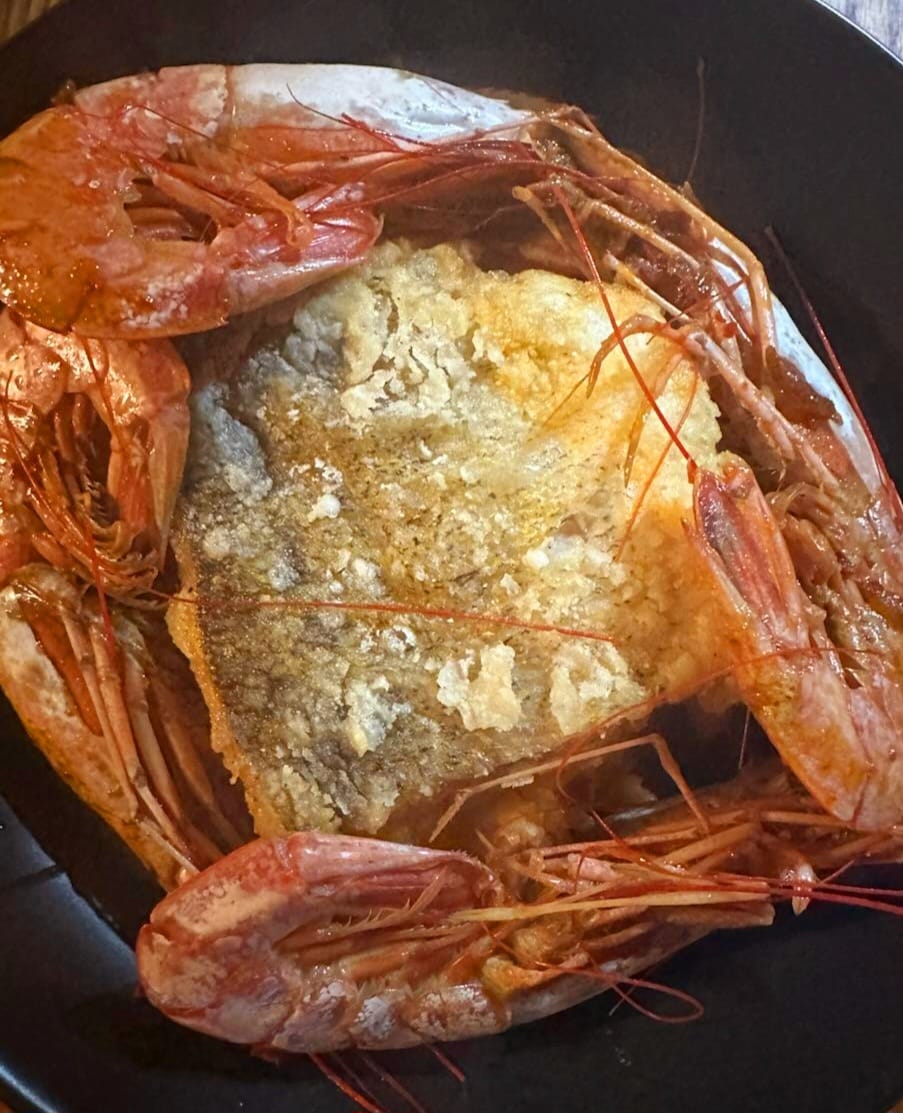
Salmon brings two challenges: fat and delicate flavor. Many people reach for white wine out of habit, which is a mistake.
Pike Road's acidity and bright red fruit actually complement salmon better than most whites. The wine doesn't compete with the fish's subtle flavor—instead, it amplifies it. The lemon and herbs in your preparation create a bridge between the wine's mineral notes and the salmon's natural sweetness.
What you'll taste: The wine becomes more elegant against the fish. The herbaceous notes in the wine (if you find them) will mirror your preparation. The acidity will clean your palate without leaving a metallic aftertaste.
Pro move: This pairing works brilliantly with a simple beurre blanc. The butter in the sauce actually makes the pairing even better, because acidity + fat = completion.
3. Mushroom Risotto with Parmesan
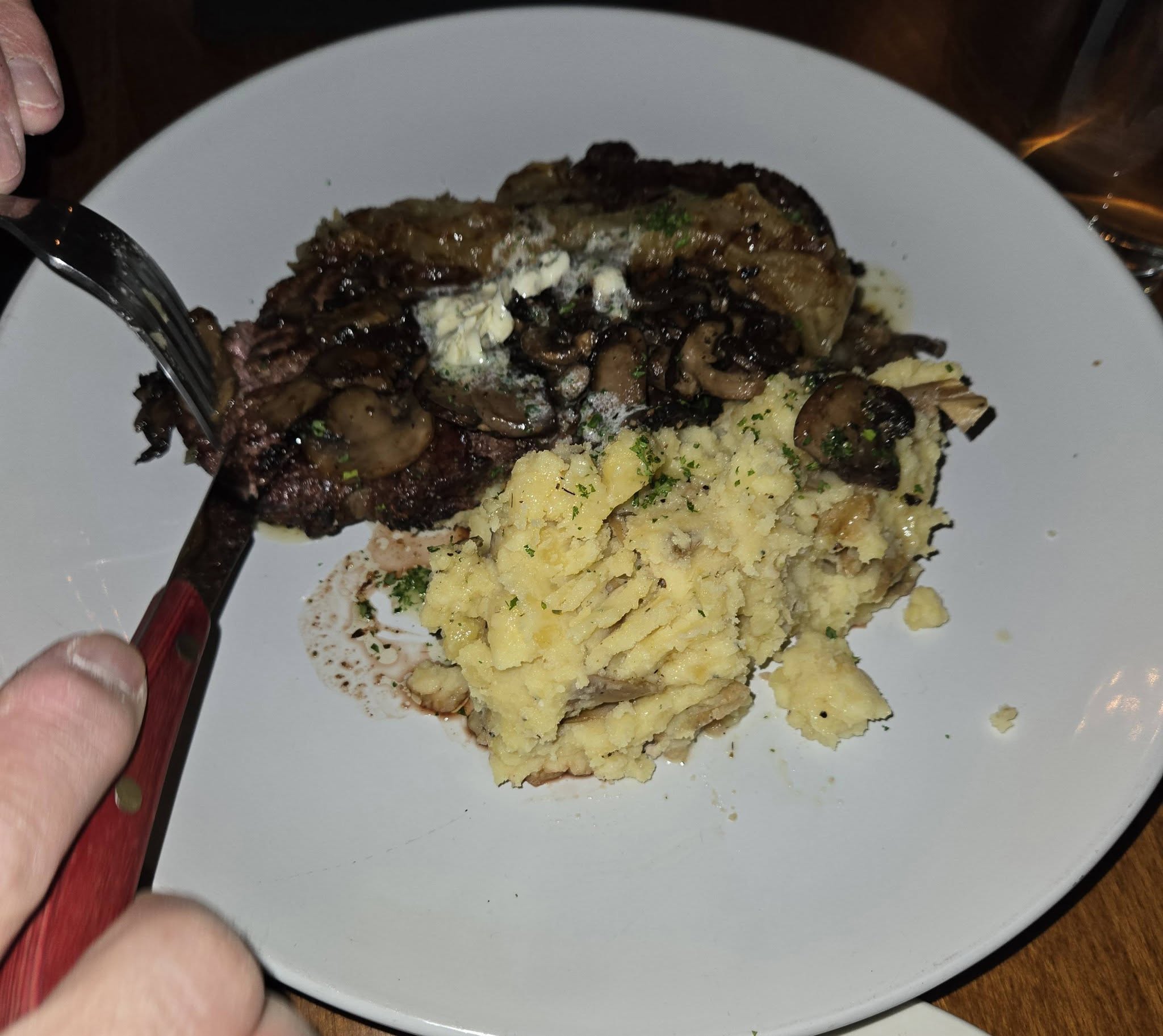
Here's where Pike Road teaches you something important: Pinot Noir isn't just for meat.
Umami is the savory depth that makes mushrooms and aged cheese irresistible. Pike Road has just enough earthy, forest-floor character to dialogue with mushroom umami. The wine's tannins will bind with the protein in the cheese (even though this is technically a vegetarian dish). The acidity will prevent the risotto's richness from feeling heavy.
What you'll taste: A pairing that feels almost conversational. The wine doesn't dominate. The food doesn't overpower the wine. They dance.
Temperature note: This is a dish that's best served warm (not piping hot), which pairs nicely with Pike Road at cellar temperature.
The Common Mistakes—And How to Avoid Them
Mistake #1: Serving Pike Road Too WarmRoom temperature for a Pinot Noir means 65–68°F—not 72°F. Too warm, and the acidity flattens, the alcohol becomes obvious, and the wine loses its elegance. If you've stored Pike Road in a typical home (which runs 70°F), give it 15 minutes in the fridge.
Mistake #2: Pairing It With Heavily Spiced DishesPinot Noir and intense spice don't work. The alcohol and acidity in Pike Road will make chili heat feel hotter, and the wine will taste thin. If you're making something spiced, reach for a different wine. Pike Road prefers subtlety.
Mistake #3: Expecting It to Age Like a BordeauxPike Road is made to drink now, in its youth. It's not a wine you cellar for 10 years. The 2023 will be delicious for 3–5 years, but its charm is in its current brightness. After that, you're hoping it mellows—not that it improves.
Mistake #4: Treating It Like a LightweightJust because Pike Road is elegant doesn't mean it's shy. This wine has backbone. It has flavor. It demands good food and thoughtful preparation. Pair it with care, and it will reward you. Treat it as an afterthought, and it'll disappear from your table.
When Pike Road Disappoints (And Why)
I'm going to tell you something most wine writers won't: this wine has a limit.
Pair Pike Road with something heavily charred, and the wine will taste thin. The bitter notes from the char will clash with the wine's fruit, and the acidity will feel sharp instead of refreshing. It's not that the wine is wrong—it's that this pairing is wrong.
Similarly, if you serve Pike Road with a cream-based dish that's overly heavy (like a full-fat carbonara), the wine will get lost. The creaminess will coat your palate, and the wine's delicate tannins won't cut through. You'll get wine, you'll get pasta, but you won't get pairing.
The beauty of understanding your wine's limits is that it teaches you how to work around them.
Service, Decanting, and Glassware
Decanting: Pike Road doesn't need decanting for age (it's too young), but it benefits from 15–20 minutes in a decanter for aeration. This opens up the wine's more subtle flavor notes and allows it to breathe. Pour it in, wait, then serve. Simple.
Glassware: Use a Burgundy-style glass or a standard all-purpose wine glass. The bowl should be large enough to give the wine room to express itself, but not so large that you're swirling forever. The point is elegance, not theater.
Temperature: 62–64°F is the sweet spot. Any warmer and you lose brightness. Any cooler and you'll suppress some of the fruit.
Price vs. Value: The Real Story
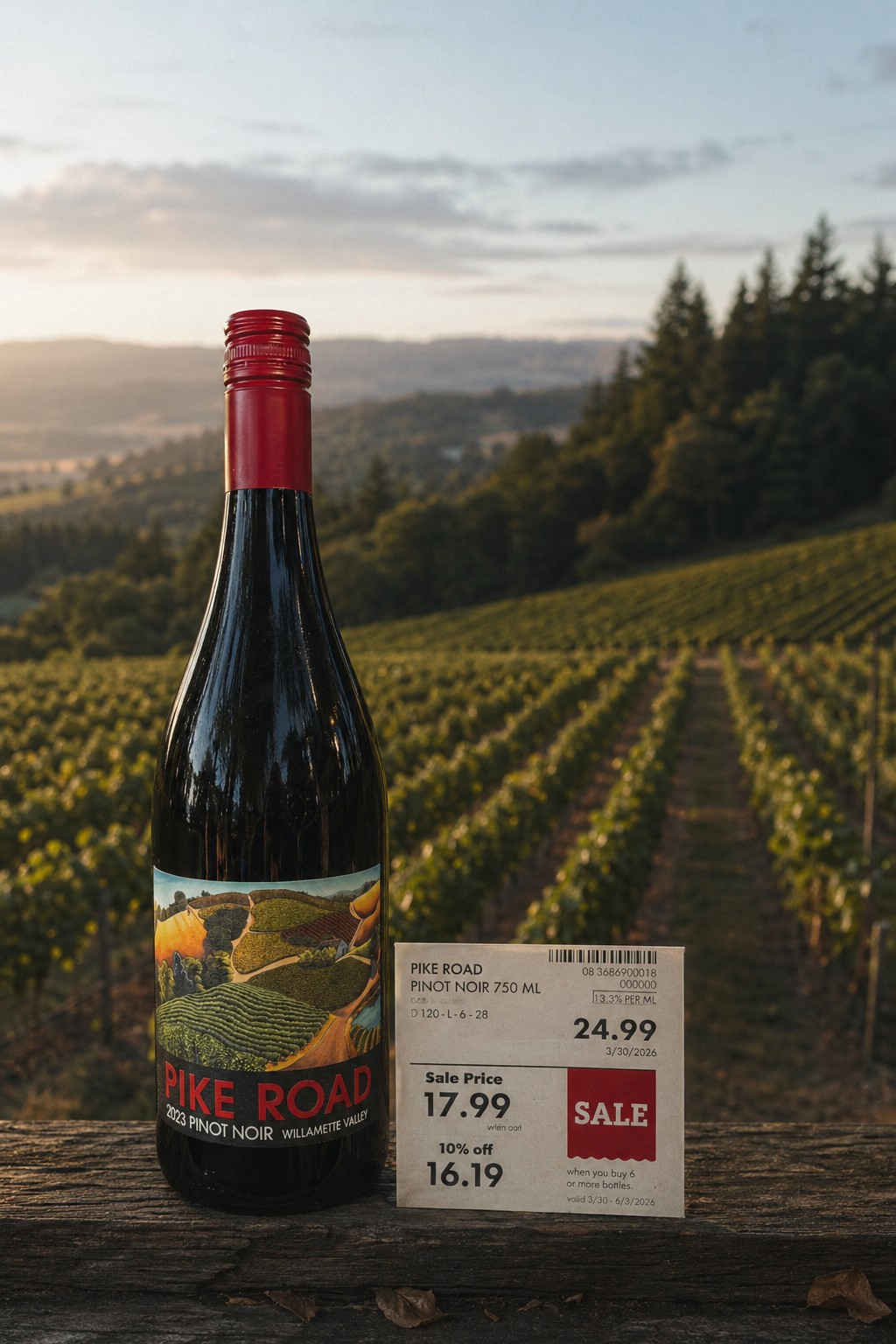
The 2023 Pike Road Pinot Noir retails around $24.99, but it often sits on sale at $16.99–$17.99. At that price point, you're getting genuine quality.
Here's what you're actually paying for: Willamette Valley terroir (which has climbed in prestige for twenty years), careful winemaking that respects the fruit instead of manipulating it, and a wine that will perform beautifully at your table for the next 3–5 years.
For comparison, a similar quality Pinot from Burgundy will cost you $35–$50. A California Pinot of equivalent quality will run $25–$35. Pike Road, at $17–$18 on sale, is not just a bargain—it's a discovery.
Is it a collector's wine? No. Is it a wine that will teach you how to think about food and wine pairing? Absolutely.
Aging Potential: The Honest Answer
The 2023 will drink beautifully for 3–5 years. Peak drinking is now through 2027. After that, the wine will start to show age—the fruit will fade, the acidity might become more prominent, and the elegance might shift toward earthiness.
Can you age it beyond five years? Sure. Should you? Only if you're curious about how the wine evolves. But Pike Road is not made for aging. It's made for enjoying.