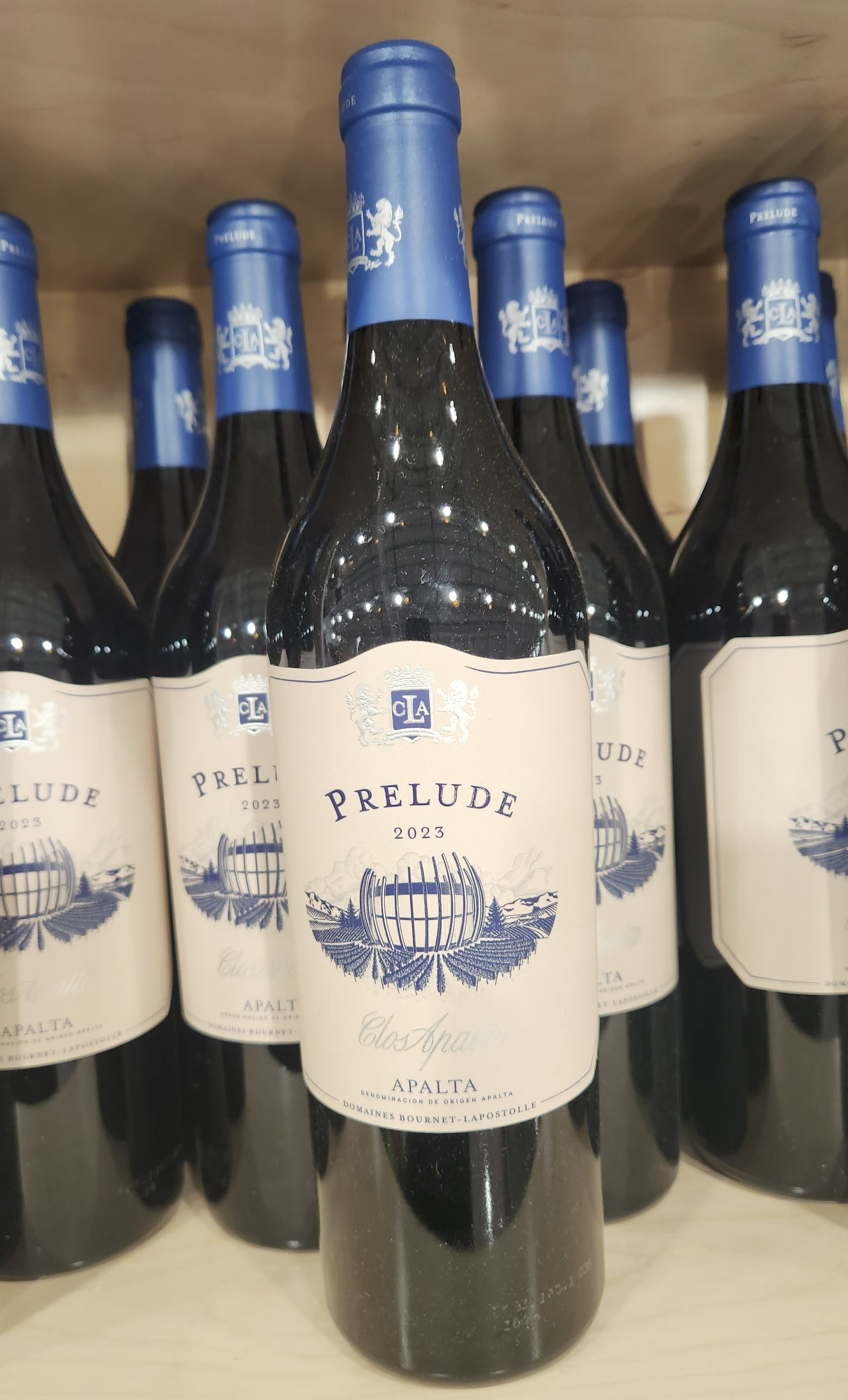
Stop Playing It Safe With Prelude 2023
The first time I realized I'd been pairing red wine all wrong was at a family asado in Buenos Aires. My host poured a glass of a Chilean blend—nothing exotic, nothing expensive—alongside carne asada that had been marinating in cumin, chilies, and lime since dawn. The wine wasn't supposed to work. Everyone knows you pair spiced grilled beef with something light, something refreshing.
I was dead wrong.
The moment those two elements met on the palate, something shifted. The wine's textured tannins didn't fight the char. The spice notes didn't compete with the marinade. Instead, they had a conversation—one that made the beef taste richer, the wine feel more profound. That bottle was a Prelude from the Apalta valley in Chile. And it became the lesson I spent the next five years proving to anyone who'd listen.
The Prelude 2023 Red Blend is that kind of wine—one that makes you rethink everything you thought you knew about pairing rules.
What Makes This Wine Different
At 95 points from James Suckling, the 2023 vintage of Prelude (from Domaines Jourdan-Lapostolle) is a masterclass in balance. The blend sits at 13.8% alcohol and draws from Apalta's mineral-rich terroir—volcanic soils that give the wine structure without heaviness.
The wine presents as an intense, inky purple. Nose it, and you'll find blackberry, fig, and layers of baking spice—clove, cinnamon—from what I can taste is a thoughtful oak program, likely 12–14 months in a mix of French oak. The palate is round and concentrated, with the kind of ripe fruit and textured tannin structure that tells you this wine was built to age, but drinks beautifully right now.
Here's what makes it underrated as a pairing wine: people see "Chilean red blend" and think entry-level. They assume it's simple fruit and nothing more. The 2023 Prelude says otherwise. It has the complexity, the acid-tannin balance, and the spice DNA to partner with dishes most winemakers would never suggest.
The Three Underrated Pairings That Work Brilliantly
1. Carne Asada: Why Spiced Grilled Beef Wants This Wine
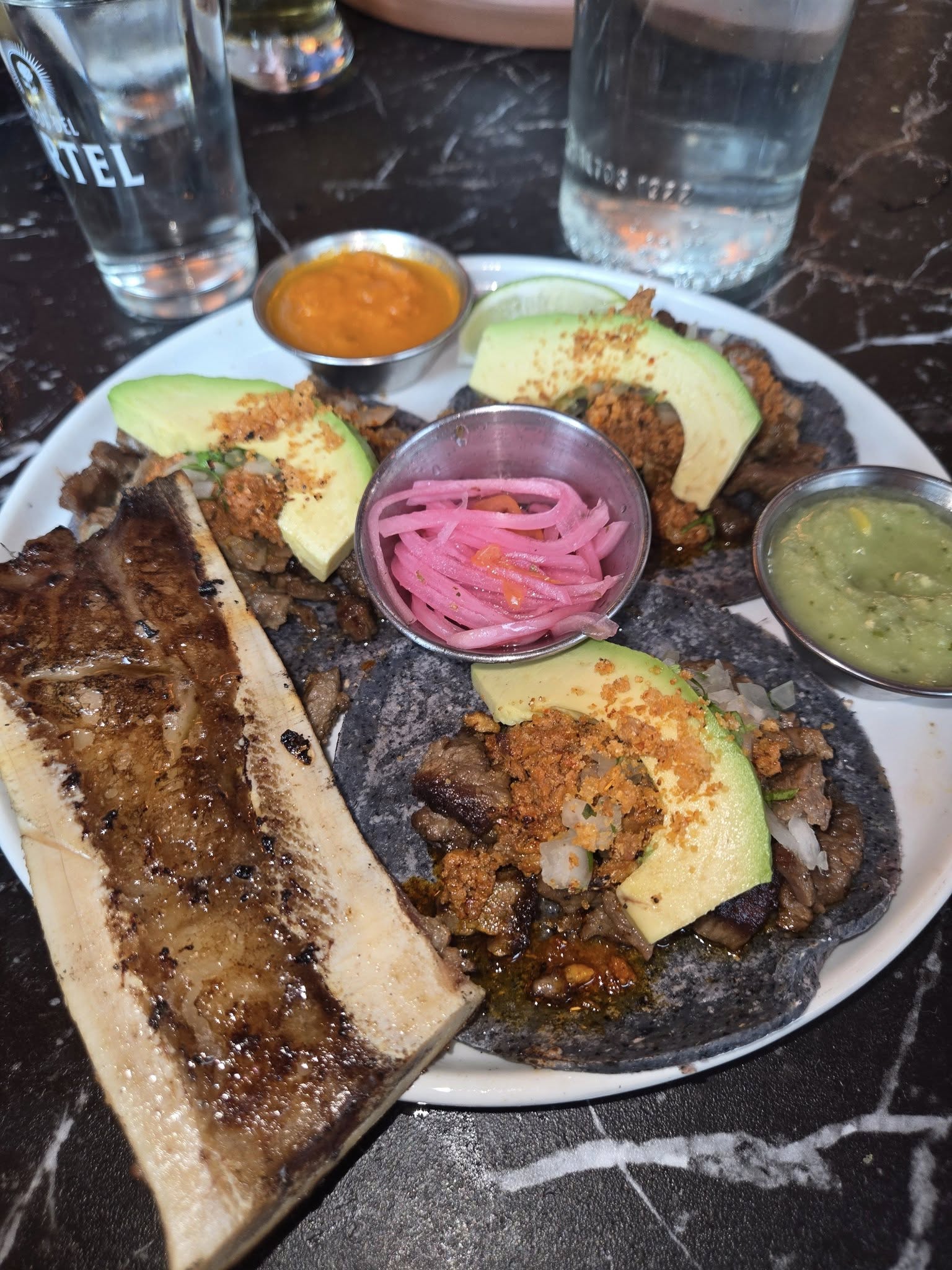
Carne asada is rarely paired with structured reds. The conventional wisdom: grill marks need bright acidity or a light red. Wrong.
Carne asada, at its best, is a riot of spice—cumin, garlic, chiles, a whisper of cinnamon. The meat is charred, caramelized, salty. The Prelude's spice profile—clove and cinnamon from oak—mirrors the marinade's spice architecture. When that alignment happens, the wine stops being a beverage and becomes part of the dish.
The acid in Prelude (likely around 3.5 g/L, a solid frame for a blend like this) cuts through the meat's richness without stripping away the fruit. The tannins—textured, never aggressive—grip the grilled surface's char and actually amplify it. The finish extends the dinner on your palate, which means each bite of asada tastes better with the wine than without it.
Practical note: Serve Prelude slightly cool from a standard red wine glass. The spice will pop more at 62–64°F than at typical room temperature.
2. Braised Short Ribs: The Umami Alignment Most People Miss

Here's the pairing secret no one talks about: braised short ribs and a wine like Prelude connect at the umami level.
Braised short ribs—cooked low and slow in red wine, often with aromatics and herbs—become textured, almost velvety. The collagen breaks down, the meat surrenders, the sauce becomes dark, concentrated, savory. It's umami on a plate.
Prelude's ripe fruit (blackberry, fig) contains natural compounds that amplify savory perception. Add the wine's concentration and textured tannins, and what you get is a pairing where meat and wine elevate each other. The wine's acid balances the dish's richness. The tannin structure matches the meat's density. The finish? Long, warm, and completely satisfying.
This is the pairing that makes people say, "I didn't know wine could do that."
Decanting: Braised short ribs benefit from a wine that's opened 30–45 minutes before service. Prelude will show more complexity after opening, and the tannins soften slightly—a perfect match for the dish's soft texture.
3. Charred Pork: The Dark Caramelization Play

Charred pork—whether it's a thick-cut chop seared hard in cast iron or a slow-roasted shoulder with a crackling exterior—is an underrated wine pairing simply because people don't think about it.
The char creates bitter, roasted notes. The fat renders and becomes rich. The meat itself is leaner than beef, so it needs a wine with enough structure to stand beside it without overwhelming. Prelude's spice and ripe fruit do exactly that. The wine's slight sweetness (ripe figs, blackberry) plays beautifully against the savory char. The tannins grip the meat's texture. The acid keeps the fat from coating your mouth.
It's a pairing that works because the wine respects the pork's subtlety while bringing enough intensity to make the dish sing.
Why These Pairings Are Underrated (And Why It Matters)
The wine world has gotten comfortable with rules. Steak gets Cabernet. Chicken gets Pinot. Pork gets... something light, probably white. And somewhere along the way, we forgot that pairing is about conversation, not prescription.
Prelude 2023 breaks those rules because it occupies a middle space most wines ignore. It has enough tannin structure for meat, enough spice for seasoning, enough ripe fruit to feel generous on the palate. It's a bridge wine—one that works in territories other wines fear to tread.
The three pairings above—carne asada, braised short ribs, charred pork—are underrated because they demand a wine that can handle complexity without dominating it. Most approachable reds either lack the structure or bring too much oak and tannin. Prelude lands in the sweet spot.
When Prelude 2023 Doesn't Work (And Why)
Honesty matters. This wine has clear boundaries.
Avoid pairing with: Delicate white fish, light seafood pastas, or anything where you're chasing subtlety. Prelude will flatten those dishes. It's also not ideal with heavily spiced Asian cuisine where fermented flavors (soy, miso, fish sauce) compete with the wine's fruit profile rather than complement it.
Also skip if: The dish is already heavily oaked or charred to the point of bitterness. Prelude's oak program is balanced, but pairing it with a burnt exterior and an oaky preparation can make the tannins feel aggressive.
Aging, Decanting, Temperature, Glassware
Decanting: 30–45 minutes before service. Prelude softens with air exposure, and the spice notes become more integrated.
Temperature: Serve at 62–64°F, not typical "room temperature" (which is now 70°F in most homes). The wine's spice and acid shine when slightly cool.
Glassware: A standard Bordeaux glass works perfectly. The bowl's size gives the wine room to express tannin texture without the tannins feeling aggressive.
Aging: The 2023 will drink beautifully now, but it has the structure for 5–7 years in a cool cellar. The spice will soften, the fruit will darken, and the mid-palate will gain complexity.
Price vs. Value: At $19.99, Prelude is a steal. Most wines at this quality level cost $35+. That's not marketing speak—it's just true. Drink this now or cellar it. Either way, you're ahead.