

The Wine That Changed My Mind About Washington Cabernet
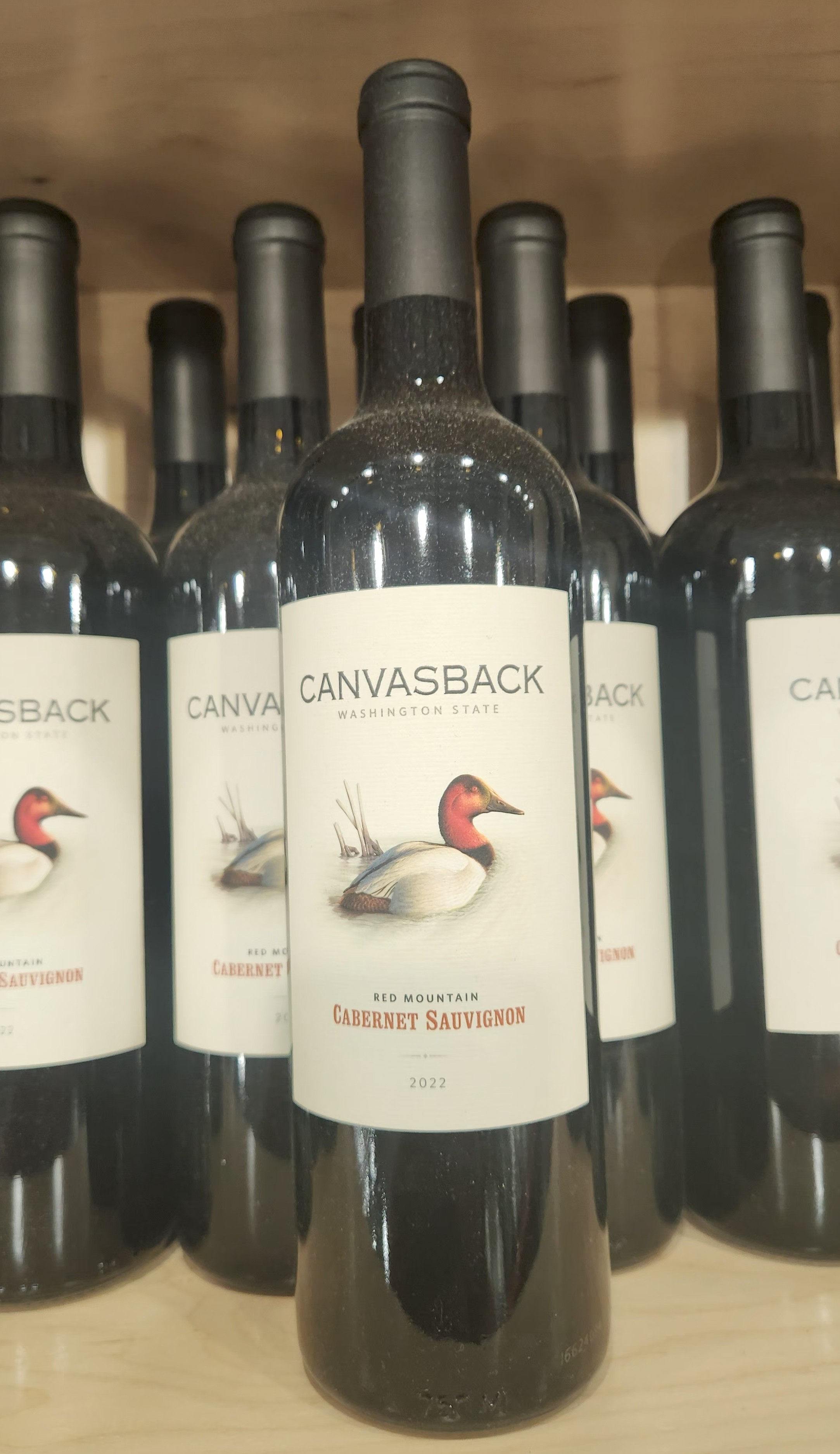
I'll be honest: for years, I treated Washington Cabernet like the reliable forward pass in rugby—effective, predictable, sometimes a bit predictable. Then I tasted the 2021 Canvasback Red Mountain, and something shifted.
The problem wasn't the wine. It was my blind spot. I'd been chasing Napa's velvet, Bordeaux's pedigree, and overlooking what Red Mountain had quietly been building: Cabernets with architectural precision—wines that respect the fruit, honor the terroir, and refuse to apologize for their ambition.
Canvasback, born from Duckhorn's deep bench of Cabernet expertise and the volcanic soils of Red Mountain, is a masterclass in regional confidence. At 89% Cabernet Sauvignon, 9% Merlot, and 2% Malbec, this is a wine built around structure, not compromise. The 2021 carries a James Suckling score of 92 points—a recognition that sits quietly but matters—with CellarTracker community consensus at 90.8 points across 23 reviews. It's not shouting. It doesn't need to.
The real story is what happens when you open this bottle and ask the right question: What does this wine actually want to do at the table?
Understanding Red Mountain's Terroir Advantage
Before we talk pairings, we need to understand what makes Red Mountain different.
Red Mountain sits within Washington's Columbia Valley, a high-desert region carved by ancient rivers and defended by the Cascade Mountains. The elevation swings temperatures dramatically between day and night—a characteristic that concentrates flavors in Cabernet and locks in acidity. The soils are volcanic in origin, mineral-forward, with the kind of drainage that stresses vines just enough to force them into deeper root systems, pulling more complexity from the earth.
Duckhorn Portfolio's philosophy, honed across decades and multiple regions, centers on this principle: certain varieties find their truest expression in specific places. They don't fight Red Mountain's nature. They listen to it.
The result: Canvasback carries the markers of a focused, site-loyal Cabernet. The tasting notes—cherry pie, grenadine, plum, sagebrush, fennel, flinty minerality—aren't the wine trying on costumes. They're the mountain speaking.
The Pairing Logic: Acidity, Tannin, and Structure
Here's what makes Canvasback a masterpiece at the table: fine-grained tannins on a linear frame. This isn't a wine that bulldozes. It articulates.
Think of it like a tennis serve—power delivered with precision, not brute force. That matters for pairing because fine-grained tannins don't overpower delicate proteins the way coarser structures do. They match across a broader range of foods.
The wine's acidity—wrapped around dark fruit and spice—cuts through richness without aggression. This is the chemistry that transforms pairing from constraint into possibility.
Key pairing principles at work:
- Tannin-protein matching: The silky tannins bind with protein structure, creating mouthfeel harmony
- Acidity's fat-cutting power: Natural acidity dissolves fatty elements, refreshing the palate between bites
- Minerality grounding: The flinty character anchors heavy flavors, preventing dominance
- Spice tolerance: The wine's cocoa, tobacco leaf, and cardamom notes bridge to both savory depth and heat
Three Pairings That Work (And Why)
1. Lamb with Anchovy and Black Olive Tapenade
This is the pairing that converts skeptics.
The theory: Lamb's gamey, fatty richness meets the wine's fine-grained tannins and acidity head-on. The acidity cuts the fat; the tannins grip the protein. But here's the lever: anchovy and olive tapenade introduce umami (savory depth) and salt, which transforms how the wine lands on the palate.
Salt is a pairing wildcard most people ignore. It elevates tannin perception, softens harshness, and creates textural harmony. With the tapenade's intensity, Canvasback's tobacco leaf and cocoa notes emerge like a relief map—suddenly dimensional, suddenly essential.
Execution: Pan-seared lamb chops, thyme and rosemary in the oil, finished with a sharp tapenade (not a garnish—a sauce). The wine sings because it has work to do, and it does it beautifully.
2. Roasted Root Vegetables with Charred Brassicas and Brown Butter
Here's where Canvasback surprises people who assume Cabernet demands protein.
Roasted vegetables develop caramelization—that Maillard reaction that creates savory complexity. Brown butter adds nutty sweetness and fat. Charred brassicas (kale, Brussels sprouts) add bitter tannins of their own.
What's happening: The wine's cocoa and nutmeg notes echo the brown butter's nuttiness. The wine's tannins dialogue with the charred, bitter notes from the vegetables. The acidity cuts the butter's richness. The minerals in the wine ground the earthy sweetness of roasted roots.
This pairing works because it's textural matching—you're creating a mouthfeel conversation, not a flavor competition.
Execution: Root vegetables (carrot, beet, parsnip) tossed in olive oil, roasted hard until edges char, finished with brown butter, crispy sage, and charred kale on the side. The wine becomes part of the dish's architecture, not an afterthought.
3. Grilled Beef Short Rib with Smoked Paprika and Citrus Finish
The safe choice. The pairing everyone expects. And it works—but only if you understand why.
Red Mountain Cabernet and beef are natural partners: the tannins match beef's protein density, the acidity refreshes after each bite. But which beef matters.
Short ribs have more collagen, more fat, more savory depth than leaner cuts. The smokiness from paprika adds another flavor dimension. The citrus finish—a squeeze of lemon or lime—introduces brightness that prevents the pairing from becoming static.
What's essential here: the citrus. Without it, Cabernet and beef can become heavy, predictable, one-directional. The citrus resets the palate, keeps the wine's acidity active, and prevents the tannins from feeling drying.
Execution: Grilled short rib, rubbed with smoked paprika, cumin, and black pepper. Finished with a squeeze of fresh lime and a sprinkle of fleur de sel. The wine doesn't overpower; it participates.
Common Pairing Mistakes (And How to Avoid Them)
Mistake 1: Cream-based sauces
Canvasback's tannins can feel astringent against heavy cream. The wine's acidity curdling cream's richness creates a rough mouthfeel. Avoid hollandaise, béarnaise, and rich cream reductions. If you want sauce, make it vinegar-based (red wine reduction) or fat-based (brown butter, rendered animal fat).
Mistake 2: Delicate white fish
The wine's medium-to-full body overpowers subtle seafood. Swordfish? Sure. Halibut? No. Dover sole? Absolutely not. The wine dominates rather than partners.
Mistake 3: Overly sweet sides or dessert endings
A sweet dessert served after Canvasback will highlight the wine's tannins, making it feel bitter and dry by comparison. If you're drinking this wine through a meal, keep dessert minimal or skip it entirely. Finish with cheese instead.
When NOT to Pair This Wine
Spicy Asian food — Capsaicin (the compound that makes chiles hot) and tannins don't marry well. The combination creates a hot, drying sensation that punishes both the food and the wine.
Delicate shellfish — Oysters, clams, mussels. The wine's weight and tannins overwhelm the briny, delicate flavors.
Acidic tomato-based dishes — Competing acidity creates sharpness. If you want to drink Canvasback with Italian food, skip the marinara and reach for a meat-based pasta instead.
Raw vegetable platters — The tannins feel astringent without the buffer of fat or protein.
Service Fundamentals: Temperature, Decanting, Glassware
Temperature: Serve at 64–66°F (18–19°C). A few degrees too warm and the alcohol becomes prominent, the tannins feel loose. Too cold and the wine feels tight, the fruit muted. Aim for "cellar temperature," not room temperature.
Decanting: The 2021 is young and primary. A one-hour decant opens the wine without overstating its age. You'll see the tannins soften slightly, the aromatics broaden. More than two hours risks fading the fruit.
Glassware: Use a Bordeaux-style glass — tall, rounded bowl, tapered at the rim. The shape focuses the wine's aromatics, contains its acidity, and allows the tannins room to breathe. A wider Burgundy glass dilutes the wine's precision.
Aging Potential: What This Wine Becomes
The 2021 Canvasback is drinkable now and will improve through 2030.
Right now (2026), the wine is in its primary fruit phase—plum, cherry, grenadine lead. The tannins are still asserting themselves, the mineral notes sharp and fresh. This is when you drink it for immediacy.
By 2028–2029, the wine will likely show secondary development: the fruit will soften, the tannins will integrate, and those mineral/savory notes (tobacco, tea, cocoa) will step forward. The wine becomes more elegant, less bombastic.
Beyond 2030, the wine enters a phase where storage conditions matter enormously. In ideal cellar conditions (55°F, 70% humidity, consistent temperature), it could age into 2035–2040. In typical home conditions, earlier is better.
Translation: Don't hold this wine hoping for magic. Drink it while the fruit is vibrant—the next 3–4 years are the sweet spot.
Price vs. Value Analysis
At ~$30 per 750ml, Canvasback sits in an interesting position: premium enough to carry real quality, affordable enough to experiment with.
For context: a comparable Red Mountain Cabernet from smaller producers runs $35–45. A Napa Cabernet of equivalent structure costs $45–65. A Bordeaux of similar profile demands $50+.
Canvasback's value proposition is Duckhorn's scale without Duckhorn's pricing. You're buying into institutional winemaking expertise (hundreds of small-lot fermentations, premium French oak aging) and a producer that thinks in decades, not vintages.
Is it a steal? No. Is it honestly priced for what's in the bottle? Absolutely.