

Wine Pairing with Dancing Flame Red Blend 2024
Introduction: Don’t Judge the Jersey by the Price Tag
Every season there’s a team nobody expects much from. No hype. No preseason ranking. No five-star recruits.
Then they show up.
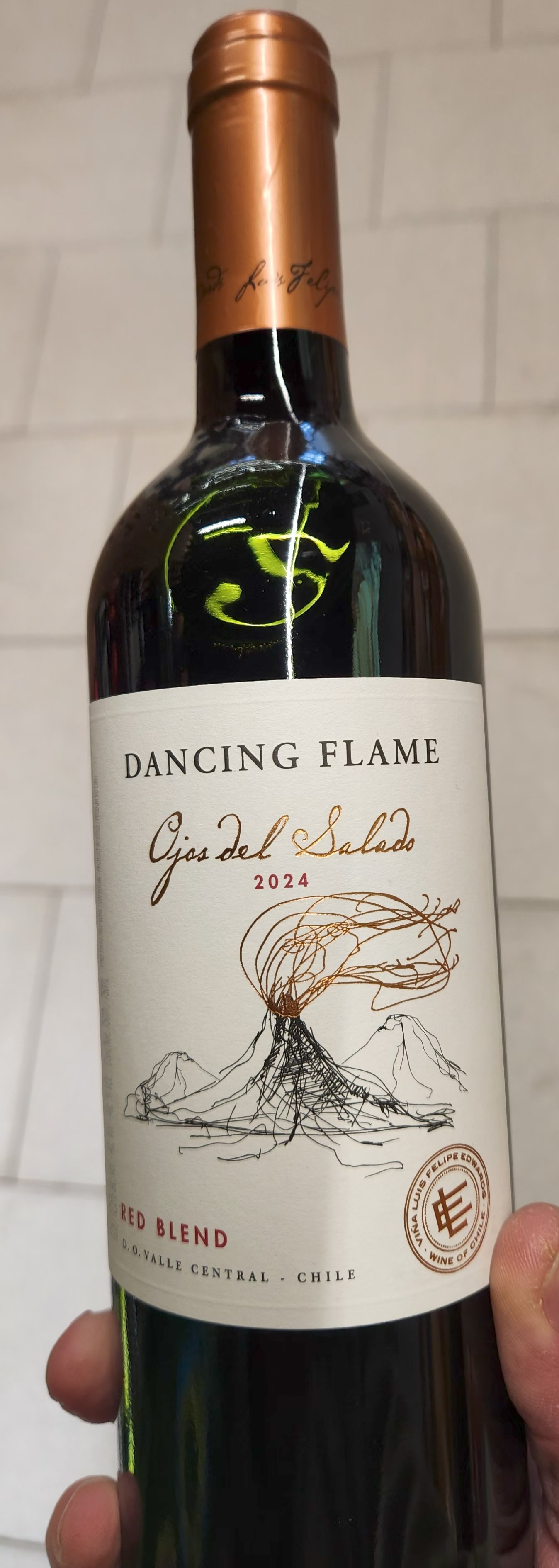
Dancing Flame Red Blend 2024 from Valle Central, Chile, walks into the aisle at $5.79 looking like a bench player. But price doesn’t determine performance. Execution does.
As someone who has judged competitions, worked Old World cellars, and evaluated wines at every price tier from $6 to $600, I approach value wine the same way I approach a basketball recruit: fundamentals first.
Acidity. Balance. Structure. Clean finish.
If those are there, we can build around it.
Today, we break down what this wine is really about—and what to eat with it if you want it to win at the table.
The Wine: What Dancing Flame 2024 Is All About
Producer: Viña Luis Felipe Edwards
Region: Valle Central, Chile
Appellation: D.O. Valle Central
Vintage: 2024
Style: Dry, Full-Bodied
Alcohol: 13.5% (typical for this label range)
Farming: Vegan certified
Importer: Prestige Beverage Group
Viña Luis Felipe Edwards is not a garage startup. Founded in 1976, the winery operates in multiple Chilean valleys including Colchagua and Maule. They are known globally for scalable production with strong quality control. This is Chilean precision farming meets modern export logistics.
Climate & Terroir
Valle Central benefits from:
- Warm Mediterranean climate
- Significant diurnal shift (hot days, cool nights)
- Alluvial soils with sand and clay components
- Coastal influence from the Pacific
That temperature swing preserves acidity while allowing full phenolic ripeness. That’s why you get ripe blackberry without flabby structure.
Blend Composition
While exact percentages aren’t listed on this entry-level blend, similar bottlings from the estate typically feature:
- Cabernet Sauvignon (structure, tannin)
- Merlot (mid-palate softness)
- Carmenère (Chile’s signature spice)
- Syrah (dark fruit depth)
This is a functional blend. Built for approachability.
Tasting Profile
- Blackberry
- Black cherry
- Hint of mocha
- Subtle baking spice
- Medium-to-full body
- Moderate tannin
- Balanced acidity
This is not oak-dominant. The mocha note likely comes from brief neutral oak contact or toasted oak adjunct influence. It is not heavily barrel-aged.
This is a clean, food-oriented red designed for immediate consumption.
Wine Pairing with Dancing Flame: The Science
If you want to understand wine and food pairing, forget romance for a second. Think chemistry.
Acid vs Fat
This wine carries moderate acidity. That acidity cuts through:
- Burger fat
- Cheese
- Olive oil
- Cream-based sauces
Without enough acidity, red wine turns heavy with fatty dishes. This one stays upright.
Tannin vs Protein
Cabernet and Carmenère bring moderate tannin. Tannin binds with protein and softens. That’s why:
- Steak works
- Grilled lamb works
- Hard cheeses work
If you pair this with lean fish? It will feel drying and metallic.
Salt Impact
Salt lowers perception of bitterness and tannin. Add salted fries, grilled meats with seasoning, or aged cheese and the wine becomes smoother.
Sweetness Balance
This wine is dry. If you pair it with sweet BBQ sauce or sugary glaze, the wine will taste sharp and thin.
Keep sweetness low.
Umami Interaction
Umami-heavy dishes (mushrooms, soy sauce, tomato paste) can increase perception of tannin. That’s why adding protein or fat balances things out.
Best Food Pairings with Dancing Flame Red Blend
Here are 10 specific dishes where this wine performs well:
1. Grilled Ribeye with Cracked Pepper
Protein softens tannin. Pepper enhances spice notes.
2. Classic Cheeseburger
Fat meets acid. Salt smooths tannin.
3. Pasta Bolognese
Tomato acidity mirrors the wine. Meat structure complements tannin.
4. Grilled Portobello Mushrooms
Umami meets dark fruit. Add olive oil to prevent dryness.
5. Chilean Empanadas
Regional synergy. Beef filling enhances mid-palate.
6. BBQ Chicken (Low-Sugar Rub)
Avoid sweet sauces. Use spice-driven rub instead.
7. Hard Cheeses (Manchego, Aged Cheddar)
Salt and fat balance structure.
8. Steak Tacos
Cumin and chili enhance spice character.
9. Roasted Root Vegetables
Caramelization amplifies fruit profile.
10. Michigan Game-Day Pizza
Sausage > Pepperoni > Plain cheese. The fat matters.
When This Wine Fails
Let’s be honest.
This wine struggles with:
- Delicate seafood
- Spicy Thai curry
- High-sugar BBQ ribs
- Sushi
- Chocolate desserts
Too much sweetness or spice will overpower it.
Serving & Decanting Guidance
- Serve at 60–65°F (not room temperature in a heated house)
- 20-minute air exposure improves aromatics
- Use a standard Bordeaux glass
- Drink within 2–3 years
- Not built for aging
This is a drink-now bottle.
Price Positioning & Value Commentary
At $5.79, this sits in extreme value territory.
Comparable entry-level Chilean blends retail between $7–$12 nationally. Consumer sentiment for similar Luis Felipe Edwards bottlings on Vivino averages between 3.6–3.8 stars, reflecting strong satisfaction at value pricing.
This is not an icon wine. It’s not controversial. It’s not misunderstood.
It’s built for everyday drinking.
And for under six dollars, it overdelivers.
Featured Snippet Answer
Dancing Flame Red Blend pairs best with grilled meats, burgers, pasta with red sauce, hard cheeses, and steak tacos due to its moderate tannin, balanced acidity, and dark fruit profile.