What Makes Pédesclaux the Underdog Worth Rooting For
Château Pédesclaux sits in that interesting middle ground of Pauillac—not a first-growth celebrity, but a legitimately classified 1855 Grand Cru that's been making serious wine for over 150 years. The 2022 is a wine that rewards curiosity. It's young, structured, and honest in a way that feels increasingly rare.
The blend is traditional Pauillac: primarily Cabernet Sauvignon with Merlot, Cabernet Franc, and a touch of Petit Verdot. What matters more is what you need to understand about this specific vintage and producer philosophy: Pédesclaux makes wine to age, not to impress immediately. The 2022 has the kind of structure that tastes a bit austere in youth but reveals itself generously once you understand what it's doing.
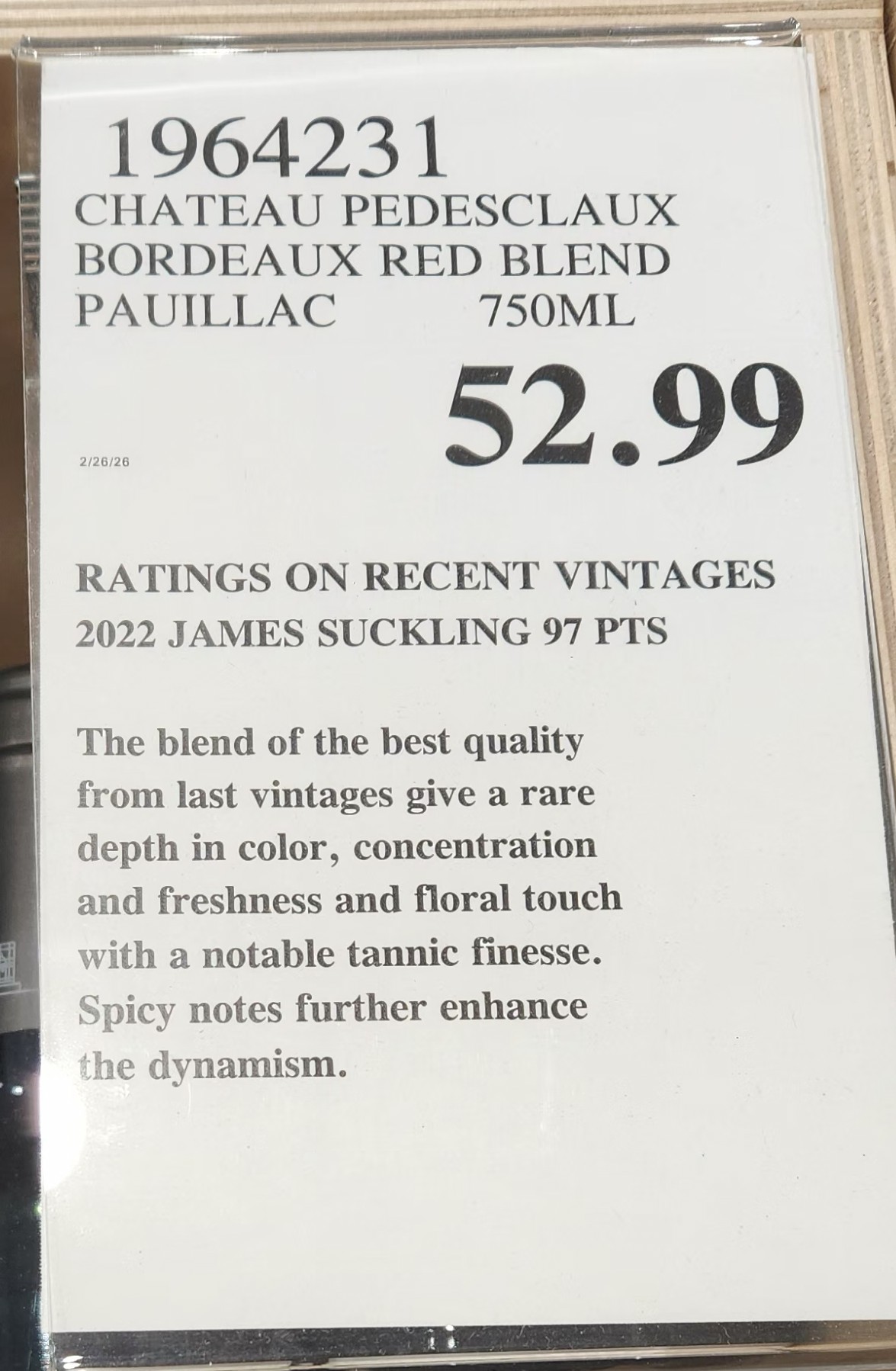
At around $35–45, this isn't collector pricing. It's daily-serious money—the kind of investment that should pay off with dinners, not spreadsheets.
Why This Wine Works: The Pairing Science
Acidity and Tannin as Architecture
Here's what nobody tells you about Pauillac: the real magic isn't the tannins (though they're there). It's the architecture those tannins create alongside the wine's natural acidity. The 2022 has both in abundance. That structure is what lets this wine cut through fat—duck fat, beef marrow, cream-heavy sauces—without getting lost.
The Cabernet base gives you those classic dusty, graphite tannins. They're not aggressive; they're organized. Think of them as the frame that holds everything in place while the fruit and acid do the actual work of pairing.
Fat and Protein: The Ballroom Dance
Pan-seared duck breast, the kind of thing you'd get at a proper French bistro, has two things going on: intense savory depth (umami) and rendered fat that coats the palate. The wine's acidity wakes up your mouth between bites. The tannin structure matches the duck's protein density. It's not complicated—it's just honest chemistry.
Beef works the same way, maybe even better. The more marbling, the more the wine's structure feels essential rather than optional.
The Perfect Pairing: Pan-Seared Duck Breast with Roasted Root Vegetables
This is the pairing that made me understand Pédesclaux's real identity.
Imagine a properly rendered duck breast—the skin is a burnished mahogany, the meat is pink and juicy—served with something simple. Roasted root vegetables. Maybe a seasonal salad. A sauce that isn't trying too hard (duck jus, maybe a touch of cassis or cherry).
The first sip of the 2022 against the duck: the acidity cuts through the richness immediately. The tannins grab hold of the protein. The mid-palate fruit—dark cherry, plum, a whisper of tobacco—sits perfectly in that umami space the duck creates. This is the wine doing exactly what it was born to do.
What happens next matters: on the finish, there's a slight dryness that makes you want another bite. Another sip. This is how you know the pairing is working. The wine isn't competing; it's conversing.

Other Pairings That Sing
Beef Bourguignon or Short Ribs
Any braised beef dish is fair game. The wine's structure handles the deep savory intensity. The acidity cuts through the braising liquid's richness. Serve it at 65°F, decant 30 minutes. The wine opens up and becomes more generous, less austere.
Roasted Lamb with Herbs and Garlic
Lamb is where Pauillac often shines brightest. The herb aromatics (thyme, rosemary) meet the wine's herbal secondary notes. The meat's richness is substantial enough to demand this wine's structure. This is a pairing that feels like a conversation between equals.
Mushroom-Forward Dishes
Here's what surprises people: earthy, mushroom-driven dishes (creamed mushrooms, mushroom risotto) pair beautifully with young Pauillac. The umami resonance is uncanny. Try it with a mushroom coq au vin and watch how the wine suddenly feels less austere and more lyrical.

The Mistake I See Most Often
People treat Pauillac like it needs heavy food. That's not quite right.
What it needs is substantial food. There's a difference. A heavy cream sauce masks the wine. A substantial meat preparation—duck, beef, lamb—with proper technique and good seasoning brings the wine into focus.
The other mistake: drinking the 2022 too young without decanting. This wine benefits from air. Pour it an hour before dinner. It softens, the fruit becomes more accessible, the tannins feel less like architecture and more like architecture you're actually standing in, not looking at from outside.
Serving Temperature, Decanting, and Glassware
Temperature: 65°F is right. Not room temperature (that's for old wines). Not fridge cold. Slightly cool. This is where most home cellars fail—people serve young Bordeaux too warm and wonder why the alcohol burns.
Decanting: Non-negotiable for the 2022. Pour it into a decanter 45 minutes before serving. The wine is young enough that it needs oxygen to relax. You're not separating sediment; you're giving the wine a chance to breathe.
Glassware: A Burgundy glass or a large Bordeaux glass. Something with a bowl that lets the wine express itself. Never a small, narrow glass. Never a Paris Hilton glass. The wine deserves space.
Aging Potential: When to Drink It
The 2022 is young. It's very young. You can drink it now—I do—but it's not at its best. Think of it like a young athlete: talented, fast, but not yet wise.
Realistically, the 2022 will age for 15–20 years, maybe longer. The best drinking window is probably 2026–2035, when the tannins have mellowed and the wine has developed the kind of complexity that makes Pauillac worth the wait.
If you're buying this wine to drink in the next six months, decant heavily and manage expectations. If you can cellar it, buy with confidence.
The Price-to-Quality Question
At $45–$65, Pédesclaux is honest value. It's not a sleeper in the sense that it's underrated—serious collectors know what it is. It's underrated in the sense that wine drinkers often skip the classified growths that don't have famous names.
That's your gain. You're buying legitimacy, structure, and the wine's full commitment to Pauillac tradition at a price point that doesn't require justification to your partner. That's the real bargain.
When This Wine Doesn't Work
I'd be lying if I didn't mention it: the 2022 struggles with delicate, light preparations. Fish doesn't work. Chicken without skin doesn't work. Anything where the flavor profile is subtle and refined will get overpowered.
The wine is also challenging with spice. Asian cuisine, heavily spiced dishes, barbecue with aggressive heat—these are mismatch situations. The wine's tannin structure becomes a liability, not an asset.
Admit this. Understand it. Then move on to what actually works and stop apologizing for structure.